Environmental science is an increasingly vital field, as it addresses issues affecting our planet’s ecosystems, climate, and natural resources. Today’s students interested in making a difference may find numerous career options in this domain. These roles encompass various sectors, including government, non-profits, private industries, and academia. Students can engage in hands-on research, policy development, or community outreach, tailored to their interests. This article aims to explore the diverse career paths available in environmental science, providing guidance for students looking to create a meaningful career while positively impacting the environment.
What is Environmental Science?
Environmental science is the interdisciplinary study that blends biology, chemistry, geology, and other sciences to understand the environment and its challenges. It examines how human activities influence natural ecosystems and plans approaches to mitigate these effects. Students delve into subjects such as climate change, pollution, biodiversity, and sustainable development, acquiring a holistic understanding. This discipline equips individuals with analytical skills and knowledge essential for addressing issues like resource management and conservation strategies. As a result, environmental science has become integral to creating policies and practices that promote sustainability.
Environmental Scientist
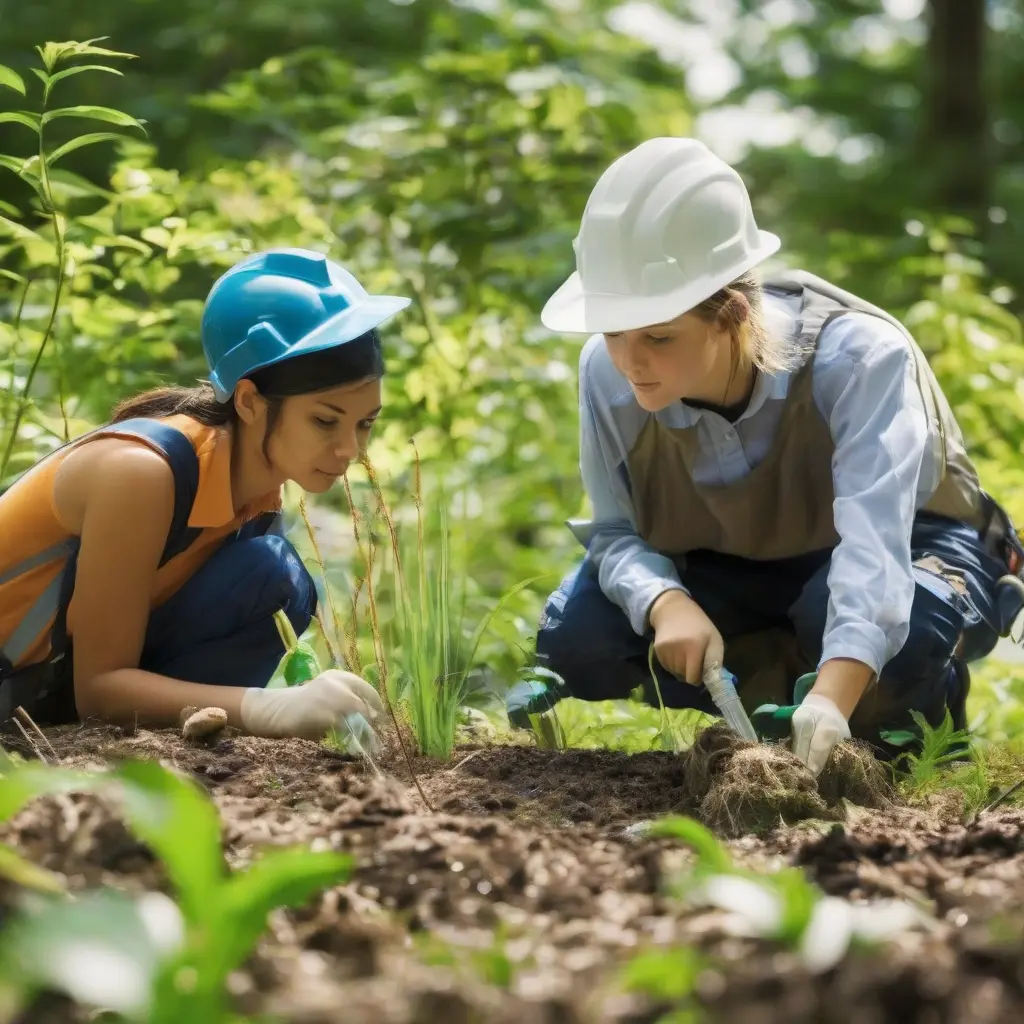
Environmental scientists play a critical role in assessing the effects of human activities on nature and developing strategies to minimize negative impacts. They often conduct research, collect data, and analyze environmental trends, focusing on areas like air and water quality, soil health, and ecosystem preservation. Working for government agencies, non-profits, or private companies, they may be involved in environmental assessments, policy formulation, or community education initiatives. This career often requires a strong foundation in science, data analysis skills, and a passion for environmental conservation, making it an excellent option for dedicated students.
Wildlife Biologist
Wildlife biologists specialize in studying animals and their habitats, aiming to understand species behavior and the impact of environmental changes. They often work in conservation, utilizing research to inform wildlife management and protection efforts. These professionals can be seen in various settings, from national parks to research institutions, monitoring animal populations and studying ecological trends. Their work includes field studies, data analysis, and collaborating with government agencies to develop protective regulations. Students aspiring to this career should cultivate strong observational, analytical, and communication skills, as they often engage with the public for awareness and education.
Environmental Policy Analyst
Environmental policy analysts focus on evaluating and developing policies related to environmental protection, resource management, and sustainability. They work with governmental and non-governmental organizations to assess existing legislation and advocate for improvements based on scientific data. By conducting research and analysis, they provide recommendations for creating effective environmental policies. A strong background in environmental science, coupled with skills in law and public policy, can be essential for success in this field. This career allows students to influence how societies manage natural resources and environmental issues, making it both rewarding and impactful.
Sustainability Consultant
Sustainability consultants advise organizations on how to operate in environmentally responsible ways, aiding in strategic planning to enhance sustainability practices. This role often involves assessing a company’s environmental impact and identifying areas for improvement in energy use, waste management, and resource conservation. Consultants may work independently or as part of a consulting firm, and their work is increasingly valuable in today’s environmentally conscious market. Strong analytical, problem-solving, and communication skills are vital, as these professionals need to present data-driven recommendations clearly to stakeholders, fostering sustainable business practices.
Conservation Scientist
Conservation scientists strive to protect natural resources, ensuring ecosystems remain healthy and sustainable for future generations. They work closely with landowners, organizations, and governmental bodies to develop management plans for forests, wetlands, and other natural habitats. This career typically involves fieldwork to evaluate land use, biodiversity, and ecosystem health, requiring a solid understanding of ecological principles. Conservation scientists often advocate for policies that support land stewardship and sustainable practices, making their role crucial in addressing issues such as habitat loss and climate change. A passion for nature and strong analytical skills are essential for aspiring conservationists.
Ecologist
Ecologists study the relationships between living organisms and their environments, focusing on interactions within ecosystems. They employ various research methodologies to understand biodiversity, population dynamics, and ecological processes. Ecologists often work for universities, governmental agencies, or non-profits, conducting fieldwork and analyzing complex environmental issues. Their findings can contribute to conservation efforts, land-use planning, and resource management practices. Aspiring ecologists should develop strong skills in research, data analysis, and communication, as they frequently share their insights with stakeholders and the public to advocate for scientific understanding and proactive measures.
Climate Scientist
Climate scientists study atmospheric conditions and changes over time, investigating climate variability and its impacts on ecosystems and human activities. Their work involves analyzing climate data, forecasting trends, and researching the effects of climate change on global environments. This field is vital for developing strategies to mitigate climate-related challenges, such as extreme weather events and rising sea levels. Students interested in climate science should have a strong foundation in natural sciences, mathematics, and data analysis. A career in this area not only contributes to scientific understanding but also influences policy through informed recommendations geared toward climate resilience.
Green Job Market Growth
The green job market is experiencing significant growth, driven by increased awareness and urgency surrounding environmental issues. As governments, businesses, and communities commit to sustainability goals, demand for professionals in environmental science is on the rise. This trend presents ample opportunities for students pursuing careers in this field. Research estimates indicate that green jobs are expected to continue growing, particularly in sectors such as renewable energy, waste management, and conservation. By capitalizing on this momentum, students can find fulfilling careers that align with their passion for environmental protection while contributing positively to society.
Educational Pathways in Environmental Science
Students interested in pursuing a career in environmental science typically begin with a relevant bachelor’s degree, such as environmental science, biology, or earth sciences. Advanced roles may require a master’s or doctoral degree, emphasizing specialized knowledge in areas like ecological management, policy analysis, or climate science. Engaging in internships, volunteer opportunities, and networking within the field are essential for building practical experience and professional connections. Many academic institutions also provide opportunities for research projects and field studies that enhance learning and can lead to career advancements in environmental science.
Skills Essential for Success
Successful careers in environmental science demand a diverse skill set. Critical thinking and problem-solving abilities are vital for tackling complex environmental issues effectively. Strong analytical skills enable professionals to interpret data, while communication skills are crucial for sharing findings and advocating for policies. Students should also cultivate teamwork skills, as many projects require collaboration with various stakeholders. Additionally, passion for environmental issues and a commitment to lifelong learning can drive personal and professional growth, allowing individuals to adapt to evolving challenges in the field of environmental science.
Conclusion
Exploring career options in environmental science presents students with the opportunity to make meaningful contributions to our planet’s future. With a wide array of roles available, from conservation scientists to climate policy analysts, students can align their careers with their passions. Equipped with the right education, skills, and dedication, they can lead the way in addressing environmental challenges, advocating for sustainable practices, and promoting ecological health. As the world increasingly prioritizes environmental issues, students can find fulfilling pathways that resonate with their values in this dynamic and crucial field.