Gender disparities in skill-based careers in India are significant, impacting economic growth and social development. Despite strides toward equality, women still face barriers in accessing vocational training and employment opportunities in male-dominated fields. This article delves into the root causes of these disparities, the current landscape for women in skill-based careers, and potential strategies to promote gender equality in the workforce.
Current Landscape of Skill-Based Careers in India
India’s skill-based career landscape has evolved, but it remains heavily skewed by gender. Industries such as construction, manufacturing, and technology are typically dominated by men, while women are often relegated to easier, less-skilled roles. As per recent reports, women make up only about 30% of the workforce in skilled trades. The lack of representation not only limits women’s earning potential but also perpetuates stereotypes about gender roles within society.
Barriers to Women’s Participation in Skill-Based Careers
Several barriers hinder women’s participation in skill-based careers in India. Cultural norms and stereotypes often discourage women from pursuing traditionally male-dominated fields. Additionally, issues like lack of access to education and vocational training, inadequate childcare facilities, and safety concerns further restrict their ability to engage in these careers. Addressing these barriers is critical to fostering an inclusive workforce.
Educational Opportunities for Women
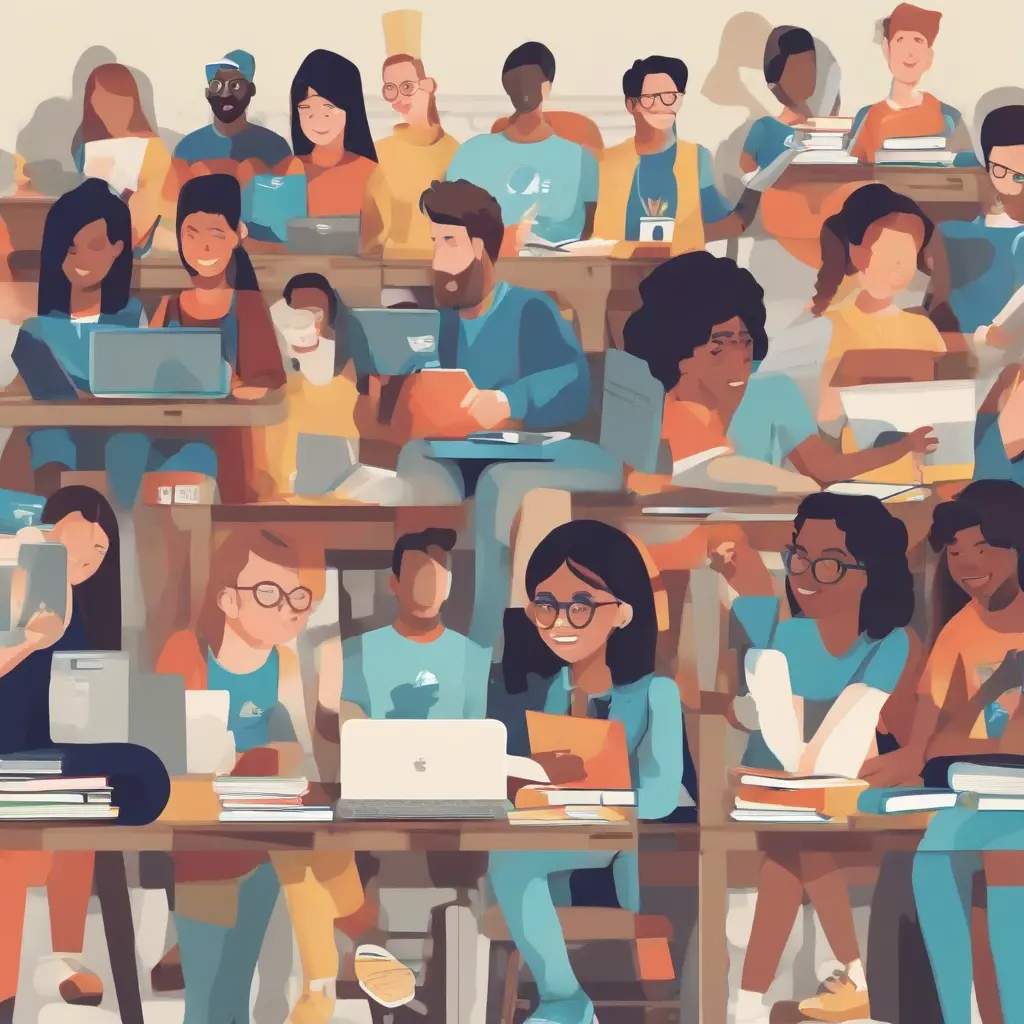
Educational opportunities play a vital role in empowering women for skill-based careers. Initiatives such as scholarships aimed specifically at women, vocational training centers, and skill development programs are essential. Government and non-governmental organizations (NGOs) are increasingly focusing on developing programs designed to equip women with technical skills in various fields, including information technology, plumbing, and electrical work.
Role of Government Policies in Promoting Gender Equality
Government policies play a crucial role in addressing gender disparities in the workforce. Initiatives such as the ‘Skill India Mission’ aim to enhance skill training and improve job prospects for women. Policies that mandate a certain percentage of women in skill development programs or promote gender quotas in traditionally male-dominated trades can create more balanced opportunities. Continuous evaluation and adaptation of these policies are vital for achieving their intended impact.
Corporate Responsibility toward Gender Equality
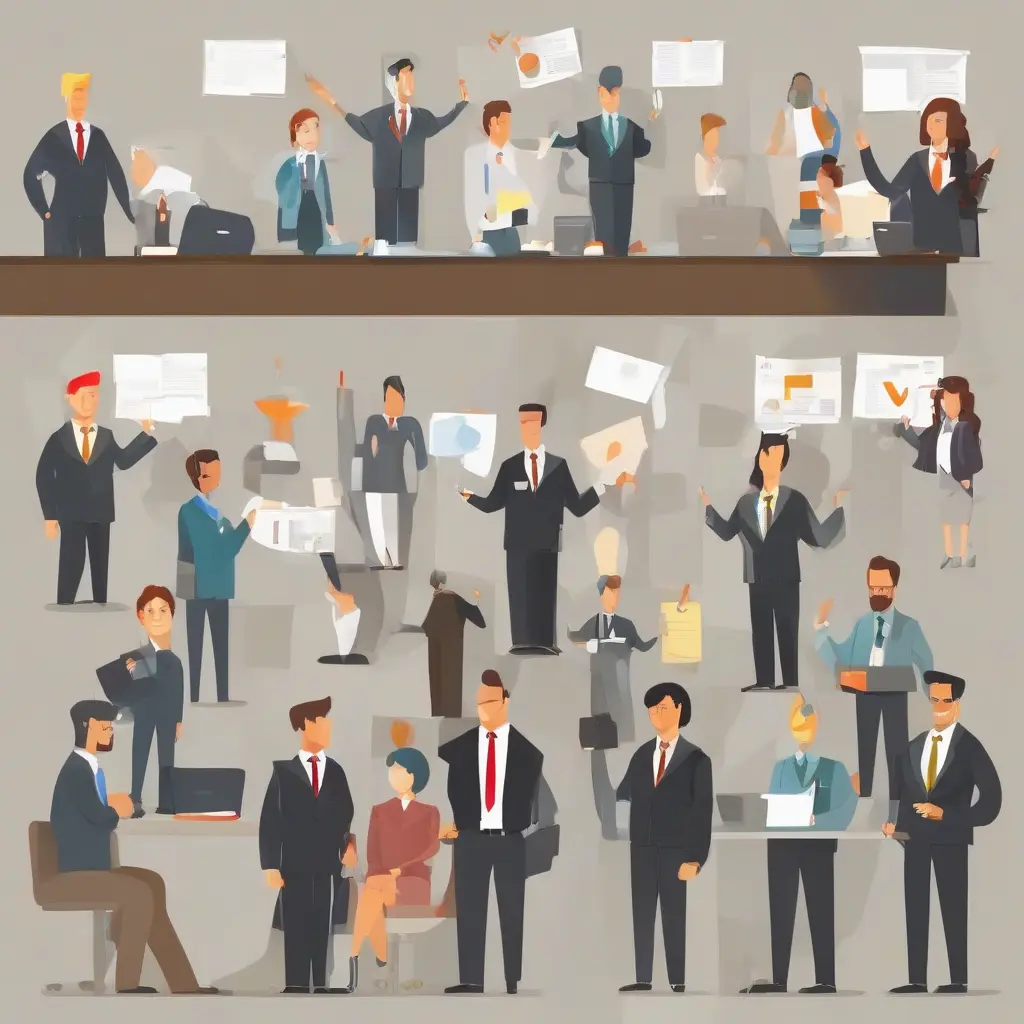
Corporate responsibility is increasingly being recognized as a key component in promoting gender equality in the workplace. Companies that prioritize diversity and inclusion often benefit from enhanced creativity and innovation. Implementing targeted recruitment strategies to attract female candidates, offering mentorship programs, and creating supportive workplace environments can help bridge gender gaps in skill-based careers. Businesses that actively engage in these practices contribute not only to social equity but also to their own long-term success.
Community Initiatives Supporting Women in Skill Development
Community initiatives can significantly contribute to enhancing women’s participation in skill-based careers. Local organizations often implement programs aimed at providing training and resources tailored to the unique needs of women. These programs may include workshops, skill development sessions, and networking opportunities to connect women with industry professionals. Such grassroots efforts have proven effective in empowering women, raising awareness about available opportunities, and ultimately changing societal perceptions.
The Importance of Male Allyship
Male allyship is essential in addressing gender disparities in skill-based careers. Men can play a pivotal role by advocating for women’s rights, supporting equitable workplace policies, and challenging stereotypes. By fostering an environment where gender equality is prioritized, men contribute to dismantling the barriers that women face. Encouraging male mentors in various industries can also create pathways for women, helping them advance in their careers.
Successful Case Studies
Examining successful case studies provides insights into effective strategies for addressing gender disparities. For instance, organizations that have implemented mentorship programs for women in trades report higher retention rates and career advancement. Likewise, companies actively promoting work-life balance and flexible schedules see increased female participation. Analyzing these examples can inform best practices for businesses and policymakers aiming to promote gender equity in skill-based sectors.
Future Prospects for Women in Skill-Based Careers
The future prospects for women in skill-based careers in India are promising, provided that ongoing efforts to eliminate barriers continue. With increasing awareness of gender equality issues, more women are likely to pursue skills training and enter male-dominated fields. As initiatives focused on education, corporate responsibility, and community engagement expand, the gender gap in skilled trades may gradually close, benefiting both women and the overall economy.
Conclusion
Addressing gender disparities in skill-based careers in India requires a multifaceted approach involving government policies, corporate responsibility, community initiatives, and male allyship. By focusing on creating an inclusive environment that promotes equal opportunities, society can harness the full potential of its workforce. Continued efforts in education, skill development, and awareness can ensure a brighter future for women in skill-based careers.