Cultural competence is increasingly recognized as a vital skill for professionals seeking to advance their careers in diverse workplaces. It involves understanding, appreciating, and effectively interacting with people from different cultural backgrounds. In a globalized world, workplaces are no longer homogenous; they are melting pots of ideas, perspectives, and values. Thus, mastering cultural competence not only enhances collaboration but also fosters inclusive environments where innovation can thrive. This article delves into the significance of cultural competence in professional development, the benefits it offers, and strategies to cultivate this essential skill.
What is Cultural Competence?
Cultural competence refers to the ability to understand and navigate the complex dynamics of multicultural interactions. It encompasses awareness of different cultural norms, values, and communication styles, and the skills to engage respectfully with diverse individuals. This competency extends beyond mere tolerance; it’s about actively embracing differences and leveraging them for improved interpersonal relationships and workplace outcomes. As global interconnectedness increases, having cultural competence becomes an indispensable asset that positively impacts teamwork, conflict resolution, and overall job performance.
The Importance of Cultural Competence in Career Growth
In today’s global marketplace, cultural competence is crucial for career advancement. Employers increasingly favor candidates who can engage with diverse clients and colleagues, as it leads to better collaboration and innovation. Additionally, workers with strong cultural awareness contribute positively to team dynamics and company culture, making them invaluable assets to their organizations. This advantage can open doors to leadership opportunities, promotions, and participation in prominent projects, thereby accelerating one’s career trajectory in competitive environments.
Enhancing Communication Skills through Cultural Competence
Cultural competence directly enhances communication skills, which are pivotal in professional settings. Understanding cultural nuances allows individuals to convey messages more effectively, reducing misunderstandings and fostering trust. Equipped with cultural insights, professionals can tailor their communication styles to fit diverse audiences, making it easier to build rapport and engage meaningfully. As teams become more globally oriented, the ability to communicate across cultural lines can facilitate smoother interactions and increase the likelihood of project success.
Building Stronger Teams with Cultural Competence
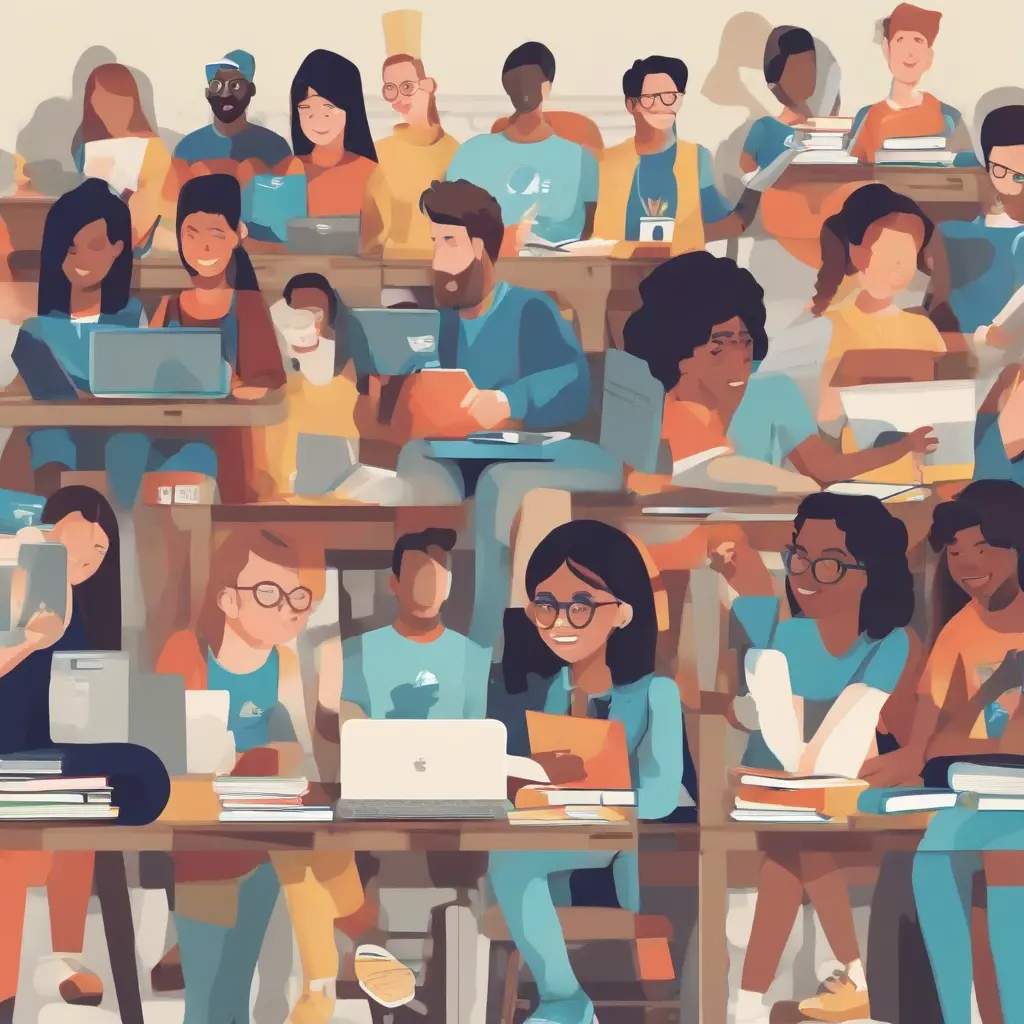
Culturally competent individuals play a vital role in building stronger teams. By valuing diverse perspectives and fostering inclusive environments, these professionals can enhance collaboration and creativity within teams. A workplace that embraces cultural differences encourages team members to share unique insights, which can lead to innovative solutions and improved problem-solving. Moreover, when team members feel respected and understood, their motivation and engagement levels increase, resulting in higher productivity and a more positive workplace atmosphere.
Navigating Challenges in Diverse Work Environments
Workplace diversity inevitably brings challenges, such as cultural misunderstandings and biases. However, cultural competence equips professionals with the tools to navigate these issues effectively. By fostering open dialogues, encouraging feedback, and promoting empathy, individuals can mitigate conflicts arising from cultural differences. Additionally, cultural competence encourages self-reflection, allowing team members to recognize their biases and adapt their behaviors. This proactive approach not only resolves potential issues but also nurtures an environment of respect and collaboration.
Strategies to Develop Cultural Competence
Developing cultural competence involves a combination of education, self-awareness, and practice. Engaging in diversity training can provide crucial insights into cultural dynamics and differences. Furthermore, seeking feedback from colleagues about interpersonal interactions can cultivate self-awareness, enabling professionals to recognize and address their biases. Additionally, immersing oneself in different cultures through respectful engagement and relationship-building can enhance understanding and empathy. These strategies not only improve individual competency but also contribute to a more inclusive workplace.
The Positive Impact of Cultural Competence on Company Culture
Organizations that prioritize cultural competence in their workforce often experience a significant improvement in overall company culture. Such focus promotes inclusivity, respect, and understanding among employees, leading to a healthier work environment. A culturally competent organization can attract a broader talent pool and retain employees, as a positive culture fosters loyalty and engagement. Moreover, businesses that embrace a culturally competent workplace are better positioned to understand and serve diverse markets, ultimately boosting their competitiveness and increasing profitability.
Measuring the Success of Cultural Competence Initiatives
To truly appreciate the impact of cultural competence on career advancement and workplace dynamics, organizations must measure the effectiveness of their initiatives. This can be achieved through employee surveys, feedback sessions, and performance assessments focused on diversity and inclusion metrics. By analyzing these data points, companies can identify growth areas and determine the success of their cultural competence training programs. Continuous evaluation not only helps in refining these efforts but also ensures that organizations are meeting their diversity and inclusion goals effectively.
Conclusion
Cultural competence stands out as a crucial driver for career advancement in diverse workplaces. As professionals navigate increasingly globalized environments, understanding and valuing cultural differences will be paramount. By enhancing communication, strengthening teams, and fostering an inclusive atmosphere, cultural competence not only benefits individual careers but also enriches organizational culture as a whole. Investing in this skill is essential for anyone looking to thrive in their career while contributing positively to their workplace.