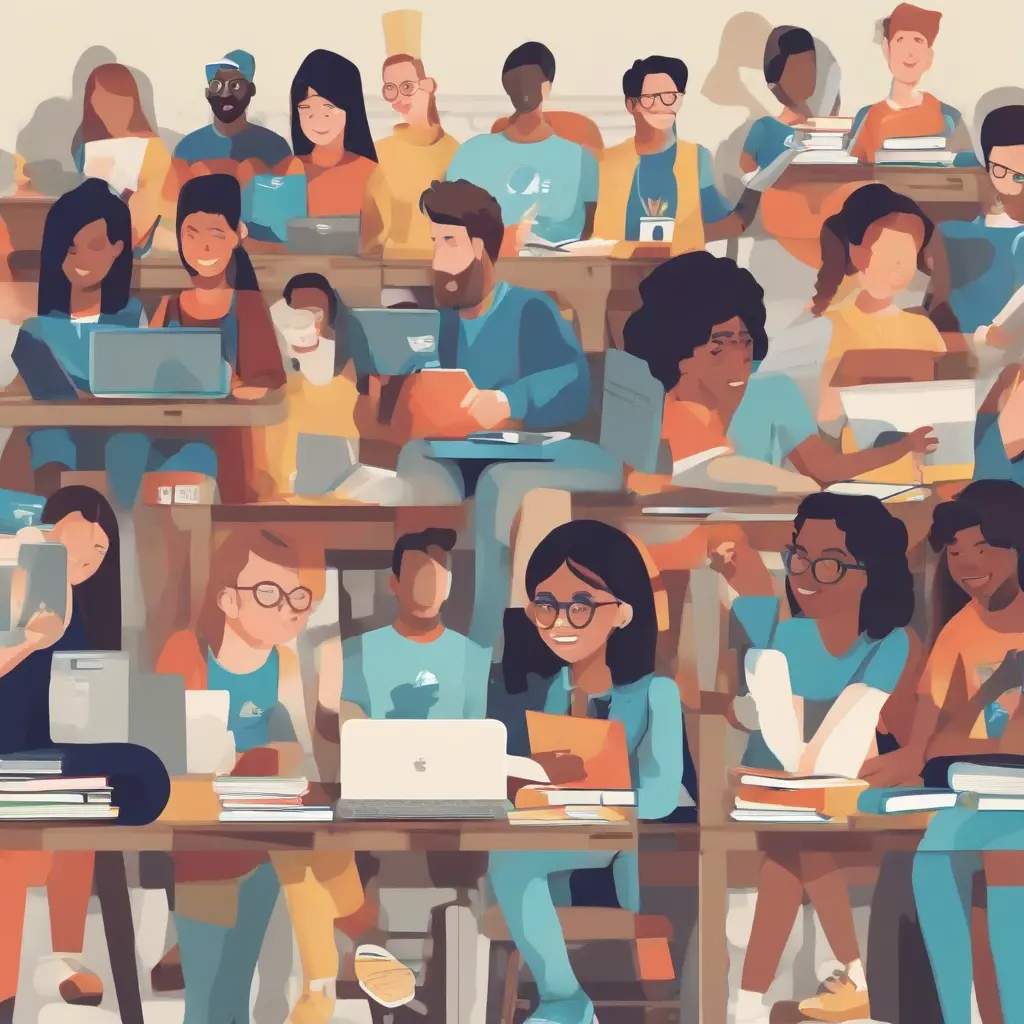
The rapid advancement of artificial intelligence (AI) is transforming the landscape of skill-based careers across various industries. As machines take on tasks that once required human expertise, professionals must navigate this evolution and find ways to remain relevant. Many jobs are being redefined, with workers needing to adapt by acquiring new skills or enhancing their existing ones. Understanding the influence of AI can help individuals prepare for these changes, making them more competitive in the workforce. This article explores the implications of AI on skill-based careers and offers strategies for adaptation.
Understanding AI’s Role in Skill-Based Careers
AI is increasingly becoming a central component in various skill-based careers, revolutionizing how tasks are performed and decisions are made. From data analysis to customer service, AI tools enhance efficiency and productivity by automating repetitive tasks and providing valuable insights. For instance, in fields like healthcare and finance, AI algorithms can analyze vast amounts of data faster than humans, leading to quicker and more informed decision-making. This shift necessitates that professionals adapt by understanding these technologies, which can complement their skill sets and improve their job performance.
Benefits and Challenges of AI Adoption
The adoption of AI brings both benefits and challenges for skill-based careers. On one hand, AI can significantly improve productivity and accuracy, allowing skilled workers to focus on higher-level tasks that require human insight and creativity. This shift can lead to job enrichment and greater job satisfaction. On the other hand, the rapid pace of AI integration can cause job displacement, particularly for roles that involve repetitive tasks with minimal decision-making. Workers in these roles must proactively seek to upskill or transition into roles that leverage human abilities in conjunction with AI technologies.
The Importance of Continuous Learning
In a world increasingly driven by AI, continuous learning has become critical for professionals in skill-based careers. Embracing lifelong learning allows individuals to stay updated on emerging technologies and market demands. Courses in data analytics, machine learning, and AI applications are becoming essential for workers in various fields. By investing in education and training, professionals can enhance their employability and adaptability, turning potential threats into opportunities. Organizations also play a crucial role by fostering a culture of learning that encourages employees to develop new competencies in response to technological changes.
Adapting to an Evolving Workspace
As AI reshapes the workspace, adapting to new environments becomes vital for success in skill-based careers. Many organizations are incorporating collaborative AI tools that enhance team workflows and decision-making processes. Workers must familiarize themselves with these tools to remain effective and competitive. Furthermore, an emphasis on soft skills such as communication, teamwork, and problem-solving is becoming more prevalent, as these abilities cannot be easily replicated by AI. Therefore, professionals who excel in both hard and soft skills can thrive in this evolving landscape.
Leveraging AI for Skill Enhancement
AI offers numerous tools and resources that can facilitate skill enhancement and professional growth. Online platforms powered by AI can personalize learning experiences based on individual skill levels and learning preferences. For example, adaptive learning technologies can recommend targeted content and practice exercises, making skill acquisition more efficient. Moreover, AI-driven mentorship programs can connect less experienced individuals with seasoned professionals for guidance and support. Embracing these tools can provide workers with the edge they need to excel in their careers amid technological advancements.
Industry-Specific Changes Driven by AI
Different industries face unique changes due to AI integration, influencing the skills required in the job market. In manufacturing, for instance, automation requires workers to acquire skills related to robotics and machine operation, while roles in customer service increasingly involve proficiency with chatbots and AI-driven customer interaction platforms. Similarly, the healthcare sector is transitioning towards roles that blend clinical expertise with data science, emphasizing analytical skills along with traditional medical training. Understanding these industry-specific trends can help professionals tailor their skills to meet evolving demands.
Future Trends in Skill-Based Careers
Looking ahead, several trends will continue to shape skill-based careers under the influence of AI. The demand for hybrid skill sets, combining technical expertise with human-centered skills, is expected to rise significantly. Additionally, as remote work becomes more prevalent, professionals will need to adapt to digital collaboration tools and virtual workflows, further blurring the lines between traditional roles. Furthermore, the integration of AI in decision-making processes will likely require ongoing evaluations of human roles within organizations, with a focus on enhancing productivity without compromising the human touch.
Conclusion
The influence of AI on skill-based careers is profound, necessitating a proactive approach from professionals looking to stay competitive in their fields. By embracing continuous learning, adapting to new tools, and honing both hard and soft skills, workers can effectively navigate this technological landscape. Understanding industry-specific shifts and future trends will enable individuals to align their skills with the evolving market demands. Those who adapt will not only survive but potentially thrive amid the ongoing integration of AI in the workplace.