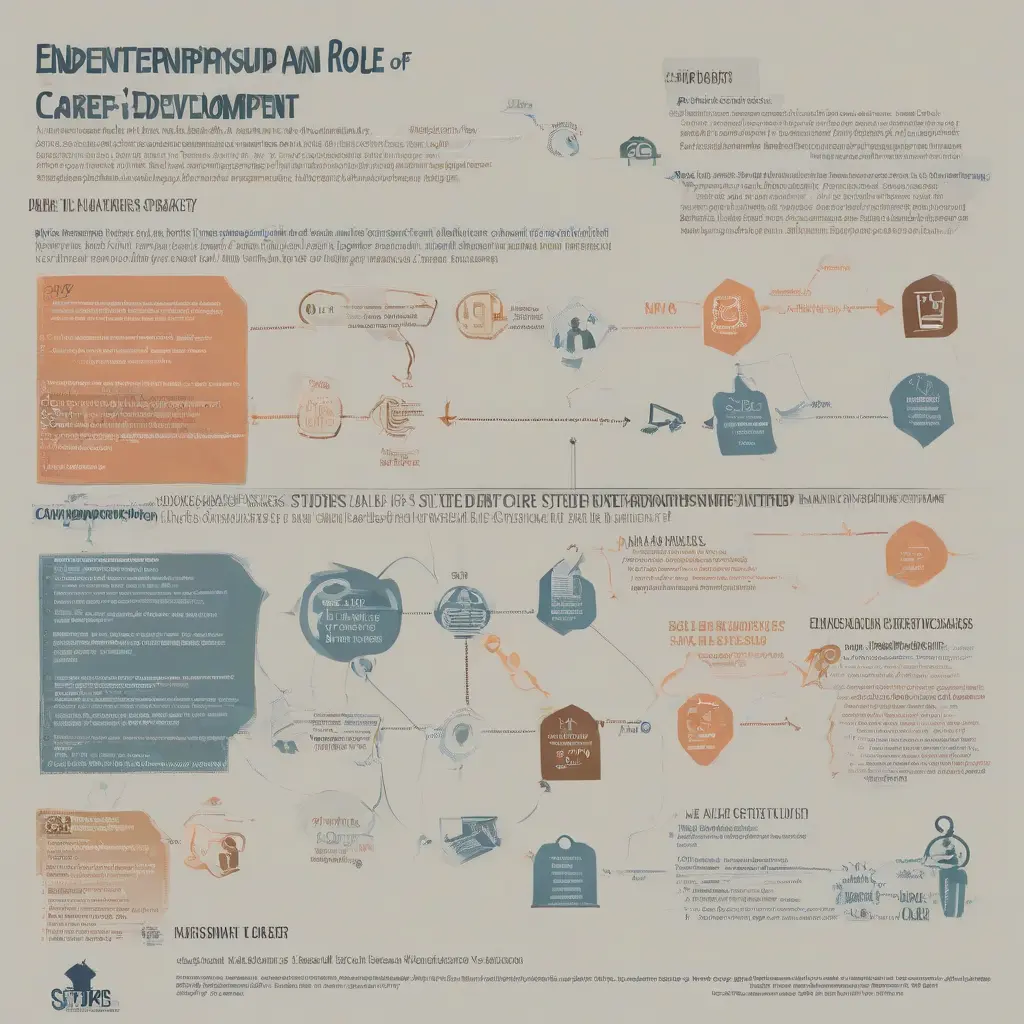
Mentorship serves as a catalyst for professional development, especially in skill-based careers. By connecting individuals with experienced mentors, they gain essential insights into their field, elevating their expertise and enhancing their career trajectories. This relationship fosters a nurturing environment where mentees can ask questions, receive feedback, and learn from real-world experiences. As a result, the guidance provided by mentors can significantly influence both skill acquisition and confidence, ultimately leading to more opportunities for career advancement.
Understanding the Mentorship Relationship
A mentorship relationship is characterized by a dynamic exchange where experienced professionals guide less experienced individuals. This relationship thrives on trust and open communication, allowing mentees to seek advice, feedback, and support. Mentors typically share industry knowledge, offer constructive criticism, and provide networking opportunities, enabling mentees to navigate their career paths more effectively. This reciprocal relationship not only empowers mentees but also enriches mentors, who often gain new perspectives and refine their leadership skills through the process.
Benefits for Mentees in Skill-Based Careers
Mentees in skill-based careers receive numerous benefits from mentorship that directly impact their professional growth. They can access tailored guidance suitable for their unique career goals and challenges, which is particularly valuable in fast-evolving fields like technology and healthcare. Additionally, mentorship fosters accountability, encouraging mentees to set and achieve specific objectives. This structured support and encouragement can significantly enhance skill development, ultimately leading to improved job performance and higher levels of job satisfaction.
How Mentorship Enhances Skill Acquisition
Skill acquisition is accelerated through mentorship, as mentors often provide personalized insights and resources that cater to the needs of their mentees. By sharing their experiences and best practices, mentors help mentees identify critical skills relevant to their careers. Furthermore, the opportunity to engage in role-playing scenarios, real-life problem-solving, and constructive feedback enhances learning outcomes. This hands-on approach encourages mentees to apply newly acquired skills in practical settings, thereby solidifying their expertise and boosting overall confidence.
Mentorship’s Role in Building Professional Networks
Building a professional network can be challenging, particularly for those new to their skill-based careers. Mentors play a crucial role in expanding these networks, often introducing mentees to industry contacts, workshops, and conferences. Through these connections, mentees can gain exposure to new opportunities, collaborate on projects, and receive additional insights from other professionals. Such a network not only enhances learning but also opens doors to employment opportunities and partnerships that might otherwise go unnoticed.
The Impact of Mentorship on Career Advancement
Mentorship significantly influences career advancement by providing mentees with the knowledge and confidence needed to take bold steps in their careers. With the support and guidance from mentors, individuals are more likely to pursue promotions, take on leadership roles, or even change career paths. Moreover, mentors can advocate for their mentees within their organizations, further enhancing opportunities for recognition and advancement. This advocacy can be especially beneficial in competitive industries where visibility and connections are key to success.
Finding the Right Mentor
Finding the right mentor is critical for effective mentorship. Potential mentees should seek mentors who not only have relevant experience but also share similar values and goals. Networking events, professional associations, and online platforms can be excellent places to connect with potential mentors. Once a candidate is identified, reaching out with a clear purpose and specific goals in mind can help in establishing a meaningful connection. This ensures that both parties align on expectations, fostering a productive mentor-mentee relationship.
Challenges in the Mentorship Process
While mentorship offers many advantages, challenges can arise that may hinder its effectiveness. Misalignment in expectations can lead to frustration for both mentors and mentees, underscoring the importance of communication. Additionally, time constraints on either party can limit the frequency and quality of interactions. Addressing these challenges proactively is essential for maximizing the mentorship experience. Regular check-ins, open dialogues about goals, and flexibility in schedules can help overcome these obstacles.
The Future of Mentorship in Skill-Based Careers
As the landscape of skill-based careers continues to evolve, the role of mentorship is becoming increasingly vital. With rapid advancements in technology and shifting job requirements, mentorship programs must adapt to these changes. Emphasizing remote mentorship and utilizing online resources can expand opportunities for both mentors and mentees regardless of geographical barriers. Furthermore, incorporating mentorship into formal education and professional development programs can enhance the overall effectiveness of skill training, fostering a culture of continuous learning.
Conclusion
In conclusion, mentorship plays a pivotal role in advancing skill-based careers by enhancing skill acquisition, building professional networks, and providing valuable guidance. The dynamic relationship between mentors and mentees fosters a supportive environment that encourages professional growth. As industries evolve, the importance of cultivating these mentorship relationships will only increase, making it essential for individuals to seek out and engage in meaningful mentorship opportunities.