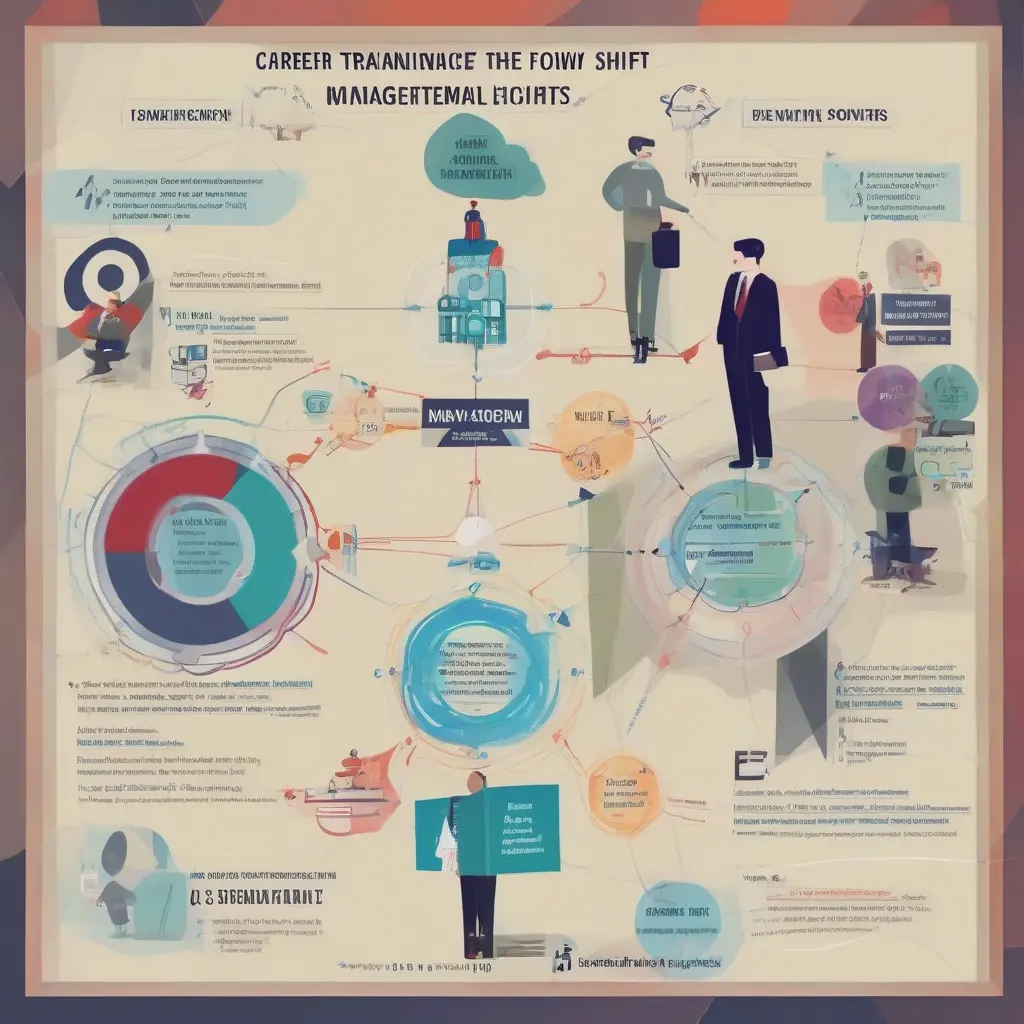
Transitioning from a technical role to a management position is a significant career shift that offers both challenges and opportunities. Many professionals in engineering, IT, and similar fields possess the technical know-how but may lack the necessary managerial skills. To successfully advance your career, it is crucial to understand the skills required for effective leadership, the importance of building relationships, and how to embrace a managerial mindset. This article outlines essential strategies and insights for making this pivotal career transition.
Understand the Skills Required for Management
Before making a transition to a management position, it’s vital to recognize the essential skills needed for effective leadership. These include communication, decision-making, and team management abilities. Unlike technical roles that often focus on specific tasks, management requires a holistic approach to understanding team dynamics, fostering collaboration, and driving performance. Investing time in courses or certifications that emphasize these skills can be beneficial, helping you cultivate a more manager-centric mindset while preparing for your new responsibilities.
Develop Leadership Abilities
Developing leadership abilities is crucial for those looking to step into management from a technical role. Engaging in opportunities where you can lead projects or teams, even on a small scale, can build confidence and showcase your leadership potential. Seek feedback from peers and mentors to identify areas of improvement and refine your approach. Participating in workshops or training focused on leadership can also enhance your capabilities, making you more appealing for managerial roles while allowing you to understand various leadership styles.
Embrace Soft Skills for Effective Management
Soft skills play an integral role in effective management. Skills such as emotional intelligence, empathy, and conflict resolution can greatly influence team dynamics and overall workplace culture. While technical proficiency is valuable, the ability to connect with employees on a personal level strengthens relationships and fosters a collaborative environment. Practicing active listening and being open to diverse viewpoints will not only enhance your own leadership style but also encourage a more engaged team, leading to improved performance and morale.
Network Within the Organization
Building a robust professional network within your organization is essential for transitioning into management. Engaging with colleagues across different departments helps you gain insights into other roles and functions, providing a well-rounded perspective on the business as a whole. Attend company events, join committees, or participate in mentorship programs to expand your connections. Strong relationships with peers and senior management can lead to mentorship opportunities that provide guidance as you navigate your transition into a managerial position.
Seek Mentorship and Guidance
Finding a mentor who has successfully transitioned from a technical role to management can be invaluable for your career progression. A mentor can offer personalized advice, share their experiences, and help you navigate challenges you might face in your new role. Look for mentors within your organization or industry who can provide insights into the expectations of management, the common pitfalls to avoid, and strategies for building credibility and authority among your team members.
Gain Business Acumen
Transitioning into management requires a strong understanding of overall business operations. This includes grasping financial literacy, strategic planning, and market dynamics. Gaining business acumen can make you a more effective leader as it enables you to align team goals with organizational objectives. Consider enrolling in business courses or reading industry-relevant literature to enhance your knowledge. This understanding will provide you with the context needed to make informed decisions and guide your team toward meaningful contributions to the company.
Learn Conflict Resolution Skills
In any management role, conflict resolution skills are critical. Conflicts are inevitable in a team setting, and having the tools to navigate these situations effectively can demonstrate your capability as a leader. Learn techniques for addressing disagreements constructively and mediating discussions between team members. This will not only help maintain a positive atmosphere but also enhance your reputation as a fair and approachable manager. Training in conflict resolution can be beneficial in building these essential skills.
Understand Performance Management
Understanding how to manage performance is a key aspect of successful management. This involves not only setting clear goals and expectations but also providing regular feedback and facilitating employee development. Familiarize yourself with performance management practices, such as conducting performance appraisals and providing constructive feedback. Developing these skills will assist in fostering a growth-oriented culture within your team, motivating employees to strive for excellence, and aligning their goals with organizational success.
Cultivate a Growth Mindset
Adopting a growth mindset is fundamental in any managerial position. Emphasizing learning, adaptability, and resilience can encourage a productive environment. It is important to remain open to feedback, willing to learn from your mistakes, and eager to explore new approaches to problems. This mindset not only improves your leadership style but also sets a positive example for your team, enabling them to embrace challenges and pursue continuous improvement in their roles.
Prepare for New Responsibilities
As you transition into management, be prepared for the shift in responsibilities you will face. This includes not only increased accountability but also a need to balance team needs with organizational goals. Establishing effective time management strategies can help you prioritize tasks and delegate effectively. Understanding the implications of your decision-making on your team’s performance and morale is crucial. Preparing mentally and practically for these new responsibilities will facilitate a smoother transition into your managerial role.
Conclusion
Transitioning from a technical role to a management position is a journey that necessitates careful planning and preparation. By understanding the required skills, developing leadership abilities, and embracing a growth-oriented mindset, you can successfully navigate this career shift. Engaging with mentors, building networks, and continuously seeking opportunities for development will further enhance your capabilities as a manager. With dedication and a proactive approach, you can position yourself for successful career advancement in management.