Embarking on a career in graphic design requires a blend of creativity, technical skills, and practical experience. Aspiring designers must not only understand design principles but also utilize various software tools to bring their concepts to life. As industries increasingly rely on visual communication, honing your skills becomes essential for standing out in this competitive field. This guide explores the foundational skills, education options, real-world experience, and personal projects that can enhance your journey to becoming a successful graphic designer.
Understanding Key Design Principles
A solid grasp of fundamental design principles is crucial for any graphic designer. Concepts such as balance, contrast, alignment, and repetition serve as the backbone of effective visual communication. These principles guide designers in creating cohesive and aesthetically pleasing work, ensuring that the intended message comes across clearly. Mastering these elements not only enhances creativity but also aids in problem-solving during the design process. Furthermore, understanding the psychology behind color theory can help designers appeal to specific emotions, making their designs more impactful.
Mastering Graphic Design Software
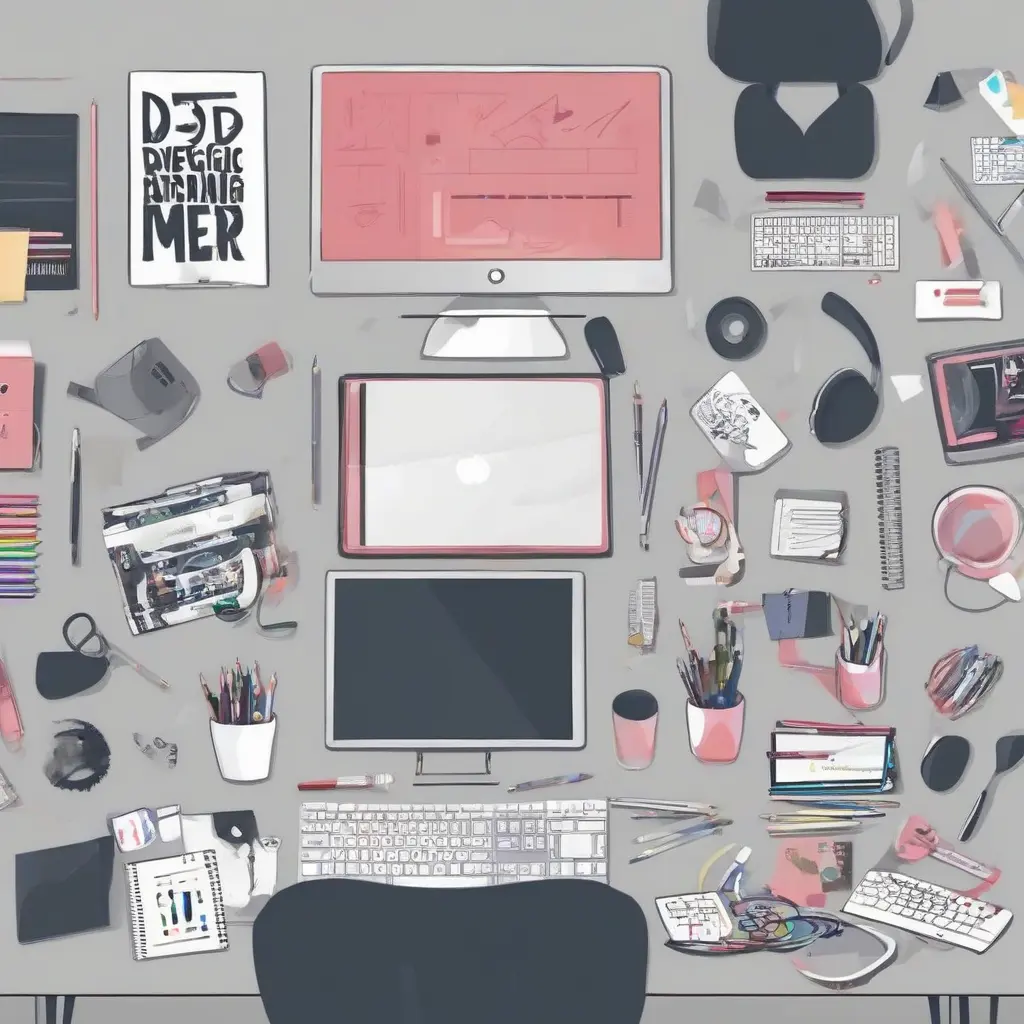
Proficiency in graphic design software is essential for modern designers to create high-quality visuals. Tools like Adobe Photoshop, Illustrator, and InDesign are industry standards, each serving distinct functions in design tasks. Learning these applications not only enhances your efficiency but also allows you to experiment with different design styles and techniques. Many online tutorials and courses provide structured pathways to mastering these programs, making it easier for beginners to learn and apply their skills. Staying updated with new features and alternative software can further expand your toolkit.
Pursuing Formal Education in Graphic Design
While self-study is invaluable, formal education can provide a structured environment for developing graphic design skills comprehensively. Numerous colleges and universities offer degrees or diplomas in graphic design, which cover technical skills, art theory, and practical application. These programs often include internships, providing real-world experience that is crucial for building a professional portfolio. Engaging in educational programs also offers networking opportunities that can facilitate job placements post-graduation, creating valuable connections in the industry.
Building a Strong Portfolio
A strong portfolio is an essential tool for showcasing your skills and attracting potential employers or clients. It should consist of a diverse range of projects that highlight your creativity, technical proficiency, and unique style. Ensure that your portfolio demonstrates different design styles, which will appeal to various clients and industries. Online platforms or personal websites can serve as excellent canvases for your work, allowing for easy sharing and updates. Regularly revising and expanding your portfolio helps in reflecting your growth and ongoing development as a designer.
Gaining Real-World Experience
Gaining real-world experience is vital for bridging the gap between theoretical knowledge and practical application in graphic design. Internships, freelance projects, or volunteering provide opportunities to collaborate with clients, navigate deadlines, and receive constructive feedback. These experiences not only build your skill set but also enhance your understanding of client-designer relationships and project management. Engaging with professionals in the field can lead to mentorship opportunities, enriching your personal and professional growth while refining your craft.
Networking and Building Connections
Networking is a vital component of career growth in graphic design. Attending industry events, workshops, and seminars allows designers to meet like-minded individuals, potential mentors, and employers. Social media platforms, particularly LinkedIn and Instagram, can be used to showcase your work while engaging with other professionals in the field. Building a strong network often leads to collaborative opportunities, job offers, and an enriching exchange of ideas. Establishing relationships with other designers can also provide support, inspiration, and invaluable insights into industry trends.
Continuously Updating Your Skills
The graphic design field is dynamic, and staying relevant requires continuous skill development. Engaging in online courses, workshops, or certifications can help designers learn new techniques or software updates. Emerging trends in design can be followed through industry publications, webinars, and community forums. This commitment to lifelong learning enables designers to adapt to evolving technologies and styles, ensuring their work remains fresh and innovative. Habitually experimenting with new concepts can also be a source of inspiration and growth for your artistic voice.
Exploring Specializations in Graphic Design
Graphic design encompasses various specializations, allowing professionals to focus on areas that align with their interests and strengths. Fields such as web design, UX/UI design, branding, and motion graphics each require distinct skills and knowledge. By exploring these sub-fields, designers can refine their expertise and cater to specific market demands. Specializing can enhance employability, as many clients seek designers with focused skills for particular projects. Identifying your niche helps in standing out in a competitive job market while providing a pathway for personal fulfillment.
Getting Feedback and Critique
Seeking feedback and critique from peers, mentors, or clients is essential for growth in graphic design. Constructive criticism offers unique perspectives on your work, illuminating areas of improvement and highlighting your strengths. Engaging in critique sessions, either in formal educational settings or among your professional network, can foster a culture of collaboration and learning. Embracing feedback opens the doorway to evolving your skills and encourages a mindset of continuous improvement, ultimately enhancing the quality and effectiveness of your designs.
Conclusion
Developing your skills for a career in graphic design is a multifaceted journey that requires dedication, creativity, and continuous learning. By mastering design principles, software, and gaining practical experience, aspiring designers can carve out their unique niche in this vibrant industry. Cultivating a strong network and seeking constructive feedback further enhances professional growth, ensuring that your talents are effectively showcased. As the field evolves, staying current with trends and technologies will be key to enjoying a rewarding and successful graphic design career.