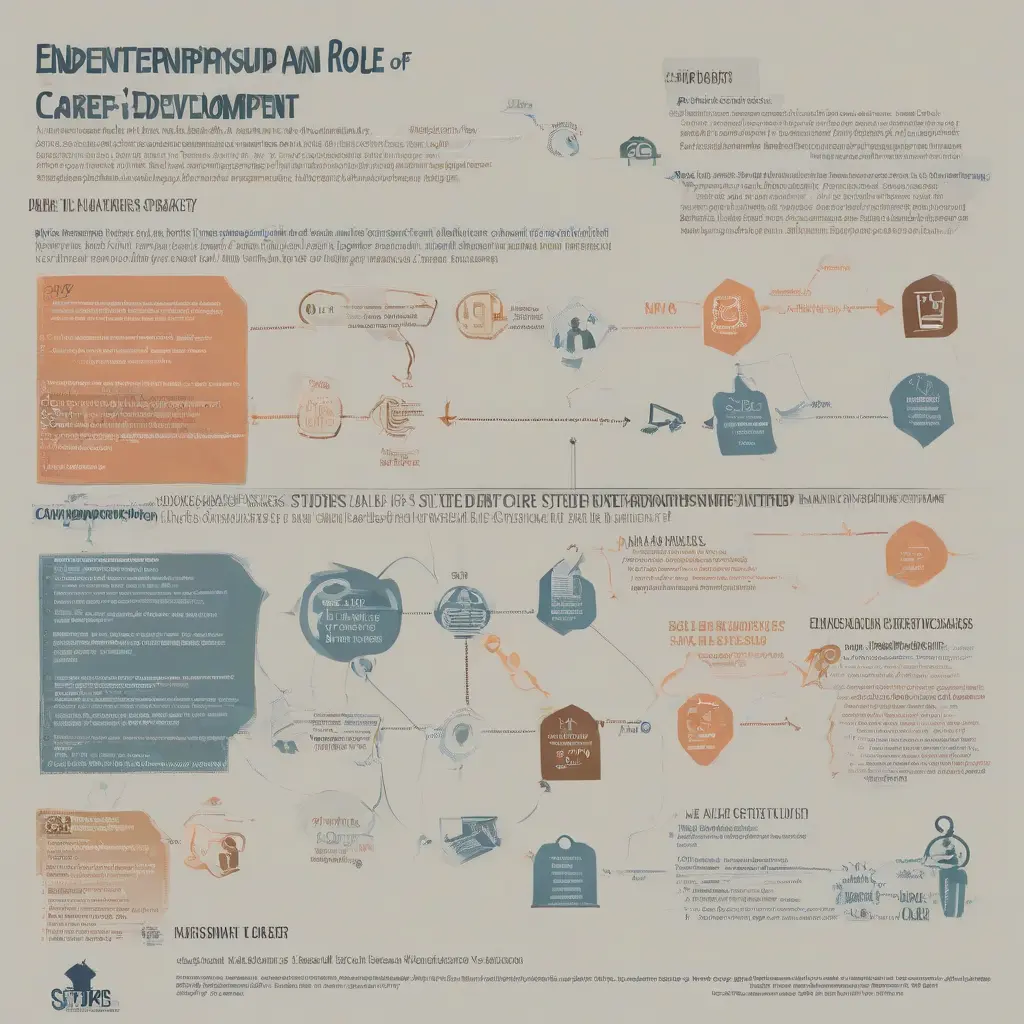
As technology continues to evolve, the demand for skilled UX/UI designers is soaring. This guide provides aspiring students with essential insights into exploring careers in user experience (UX) and user interface (UI) design. Understanding the differences between these fields, the skills required, and potential career paths can significantly aid students in making informed educational and professional choices. From foundational knowledge to job market trends, this article aims to demystify the journey into UX/UI design.
Understanding UX and UI Design
UX design focuses on the overall experience a user has with a product, ensuring it is functional, enjoyable, and meets user needs. On the other hand, UI design is centered around the visual elements of a product, such as buttons, icons, and layout. While the two disciplines are interconnected, they require different skill sets. UX designers often conduct user research and testing, while UI designers create visually appealing interfaces. Understanding these distinctions is vital for students looking to specialize in one area or both.
Key Skills for UX/UI Designers
Aspiring UX/UI designers need to develop a blend of technical and soft skills. Technical skills often include proficiency in design software such as Adobe XD, Figma, or Sketch, along with knowledge of HTML and CSS. Additionally, UX/UI designers should understand user research methodologies and usability testing. Soft skills, such as communication, teamwork, and empathy, are equally important, as these enable designers to collaborate effectively with stakeholders and understand user perspectives.
Educational Pathways in UX/UI Design
Students interested in UX/UI design can pursue various educational pathways, including bachelor’s degrees in graphic design, web design, or human-computer interaction. Many institutions also offer specialized certificates or boot camps focused on UX/UI design principles. Online courses are another viable option, allowing students to learn at their own pace. Regardless of the chosen educational path, building a strong portfolio of design projects is essential to showcase one’s skills to potential employers.
Building a Portfolio
A strong portfolio is critical for aspiring UX/UI designers as it demonstrates their skills and creativity to prospective employers. Students should include a diverse range of projects that highlight their problem-solving abilities, design processes, and final outputs. Case studies that detail the challenges faced and the approaches taken are particularly valuable. Regularly updating the portfolio with new work and refining existing projects helps illustrate continuous growth and versatility in design capabilities.
Industry Trends in UX/UI Design
The field of UX/UI design is constantly evolving, influenced by technological advancements and changing user expectations. Current trends include a focus on mobile-first design, increased accessibility, and the integration of artificial intelligence into user experiences. Understanding these trends is crucial for students aiming to stay competitive in the job market. Emerging technologies such as augmented reality (AR) and virtual reality (VR) also present new opportunities for innovative design solutions.
Job Opportunities in UX/UI Design
Graduates entering the UX/UI design field can explore various job titles, including UX designer, UI designer, interaction designer, and usability analyst. Opportunities exist within multiple industries, from tech startups to established corporations and even freelance positions. The demand for skilled designers is high, and many companies are increasingly realizing the importance of user-centered design for product development. Thus, entering the job market in this field can be promising.
Networking and Professional Development
Networking plays a vital role in securing a job in UX/UI design. Students can benefit from joining design communities, attending industry conferences, and participating in workshops to connect with professionals in the field. Online platforms such as LinkedIn also offer opportunities to engage with fellow designers and potential employers. Participating in design challenges and hackathons can further enhance skills and expand one’s network, paving the way for future job opportunities.
The Importance of Feedback in Design
Feedback is essential in the UX/UI design process, enabling designers to refine their work and improve user satisfaction. Seeking constructive criticism from peers, mentors, or users helps identify areas for improvement and ensures that designs align with user needs. Iterative design, which involves making revisions based on feedback, is a foundational aspect of effective UX/UI processes. Embracing feedback fosters a growth mindset that is invaluable to aspiring designers.
Conclusion
Embarking on a career in UX/UI design offers exciting opportunities for aspiring students. By understanding the roles of UX and UI, developing relevant skills, and building a strong portfolio, individuals can position themselves for success in this competitive field. Continuous learning and adaptation to industry trends are crucial, as the landscape of design continues to evolve. For those passionate about crafting user-centered experiences, pursuing a career in UX/UI design can be both fulfilling and rewarding.