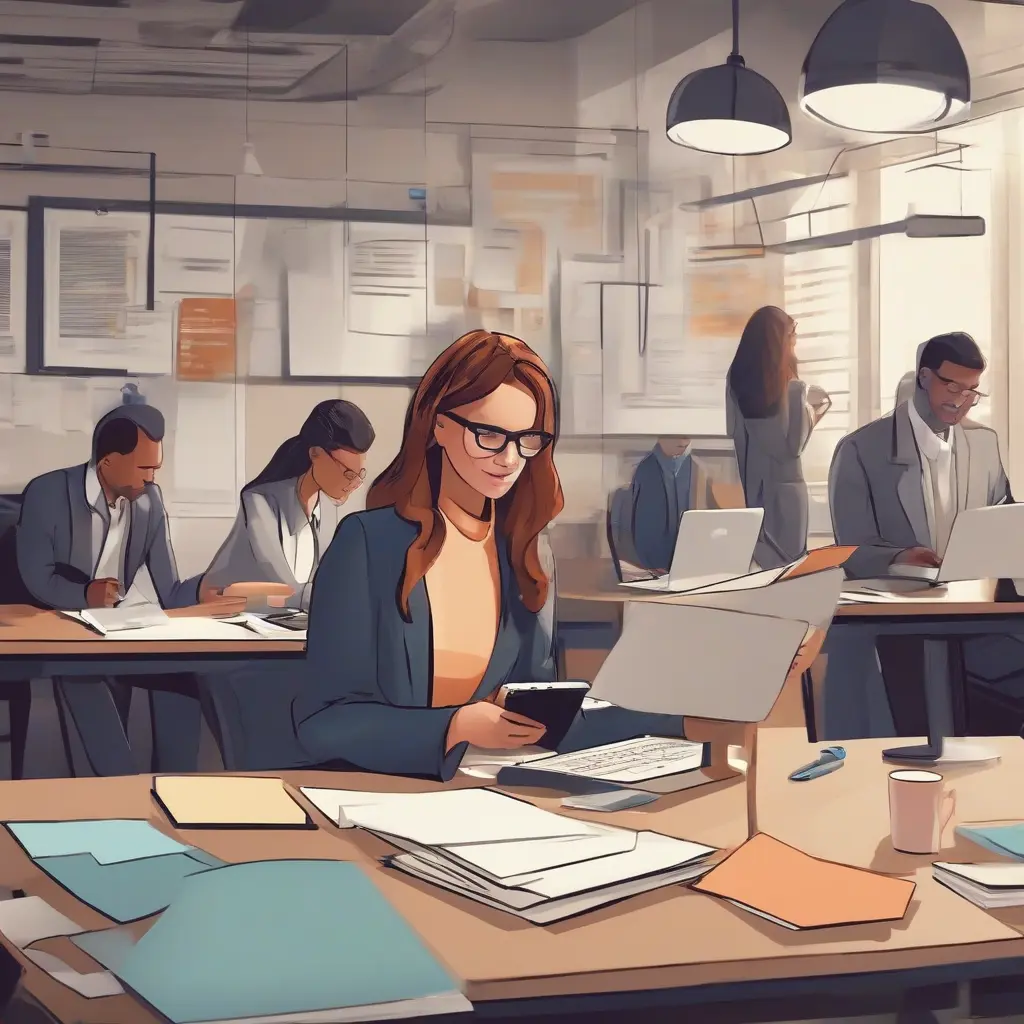
As emerging technologies continue to reshape industries worldwide, their impact on skill-based careers in India is significant. The rapid advancement of these technologies—ranging from artificial intelligence to blockchain—presents new opportunities and challenges for the workforce. In a country where a large portion of the population is engaged in various skill-based professions, understanding these changes is crucial. Skill enhancement and adaptation are becoming paramount, as the landscape of jobs evolves. This article delves into the various emerging technologies and their implications for skill-based careers in India.
Artificial Intelligence and Machine Learning
Artificial Intelligence (AI) and Machine Learning (ML) are at the forefront of technological advancement and are significantly influencing skill-based careers in India. These technologies are automating routine tasks, which reduces the need for manual labor while demanding higher technical skills from workers. Industries such as customer service and finance are increasingly utilizing AI tools, resulting in a shift in job roles. Professionals now need to acquire knowledge in data analysis and AI applications to stay relevant. The growing emphasis on AI and ML is not only creating new job opportunities but also necessitating training programs that equip the workforce with the required skills.
Blockchain Technology
Blockchain technology is revolutionizing industries by providing secure and transparent transaction methods. As it gains traction in sectors like finance, supply chain, and healthcare, the demand for skilled professionals who can navigate this technology is on the rise. In India, various educational institutions and organizations are beginning to offer courses focused on blockchain. This educational shift is essential as it prepares individuals for roles such as blockchain developers, auditors, and analysts. The career landscape is adapting, with traditional roles evolving to accommodate the unique skills associated with this disruptive technology.
Remote Work and Digital Collaboration Tools
The COVID-19 pandemic has accelerated the adoption of remote work, leading to a significant transformation in how skill-based careers are perceived in India. Digital collaboration tools like Zoom, Slack, and Trello have changed the dynamics of team interactions, allowing for flexibility and a broader talent pool. As remote work becomes mainstream, there is an increasing need for professionals to develop digital communication and project management skills. This trend also highlights the importance of self-discipline and time management in ensuring productivity while working from home, thus reshaping the expectations of skill-based roles.
The Rise of the Gig Economy
The gig economy is rapidly expanding in India, facilitated by platforms that connect freelancers with clients. This shift is significant for skill-based careers, as it allows individuals to leverage their skills in a more flexible environment. Professionals are now able to choose projects that align with their expertise, often leading to higher job satisfaction. However, this also means that workers must frequently update their skills to remain competitive. The nature of gig work encourages continuous learning and adaptability, fundamentally transforming the traditional employment landscape.
Cybersecurity as a Growing Field
With increasing digitization comes the heightened risk of cyber threats, making cybersecurity a crucial field in India. Organizations across sectors are investing in robust security measures, resulting in a surge in demand for cybersecurity professionals. This trend emphasizes the need for skilled individuals who are knowledgeable in threat detection, risk management, and information security protocols. Educational institutions are responding by introducing specialized courses, thus preparing a new generation of cybersecurity experts to navigate this essential domain. The ramifications of this shift underline the importance of staying updated with security practices.
3D Printing and Advanced Manufacturing
3D printing technology is paving the way for innovations in manufacturing, offering new opportunities for skill-based careers in India. This technology allows for the creation of complex designs with minimal waste, significantly altering production processes. As businesses adopt 3D printing, there is a growing need for professionals skilled in designing, operating, and maintaining 3D printing equipment. Technical training programs are incorporating this technology into their curricula, equipping students with hands-on experience. The integration of 3D printing is not just transforming jobs in manufacturing but is also creating avenues in design and engineering.
Soft Skills and Adaptability
As emerging technologies reshape skill requirements, soft skills and adaptability are becoming increasingly relevant in the workforce. Employers are now seeking candidates who not only possess technical skills but also demonstrate strong communication, problem-solving, and teamwork abilities. In India, training programs are beginning to incorporate these essential soft skills into their offerings. Professionals must be able to navigate the complexities of changing technologies while also collaborating effectively with diverse teams. This combined focus on technical and soft skills enhances employability in a rapidly evolving job market.
Educational Reforms in Skill Development
To meet the demands of emerging technologies, educational reforms in skill development are imperative. Governments and institutions in India are focusing on aligning curricula with industry needs, emphasizing practical and experiential learning. Vocational training programs are gaining traction as they equip students with hands-on skills relevant to current job markets. Initiatives like Skill India aim to improve skill levels across various sectors, thereby enhancing job opportunities for the youth. This shift in educational strategy is crucial for preparing a skilled workforce capable of adapting to technological advancements.
Industry Collaboration for Skill Upgrade
Collaboration between industries and educational institutions is essential for effective skill development, particularly regarding emerging technologies in India. Such partnerships enable the integration of real-world experiences into educational frameworks, ensuring that students are better prepared for the job market. Industry experts can provide insights into current trends and skills needed, reinforcing the relevance of training programs. By fostering these collaborative efforts, both students and professionals can stay abreast of technological developments, thus enhancing their employability in skill-based careers.
Conclusion
In conclusion, emerging technologies are significantly impacting skill-based careers in India, prompting a shift in required competencies and job roles. As industries continue to evolve, the focus on continuous learning and adaptability becomes essential. Through educational reforms, industry collaboration, and an emphasis on both technical and soft skills, the workforce can better prepare for future challenges. By embracing these changes, individuals can navigate the ever-changing landscape of skill-based professions and capitalize on new opportunities presented by technological advancements.