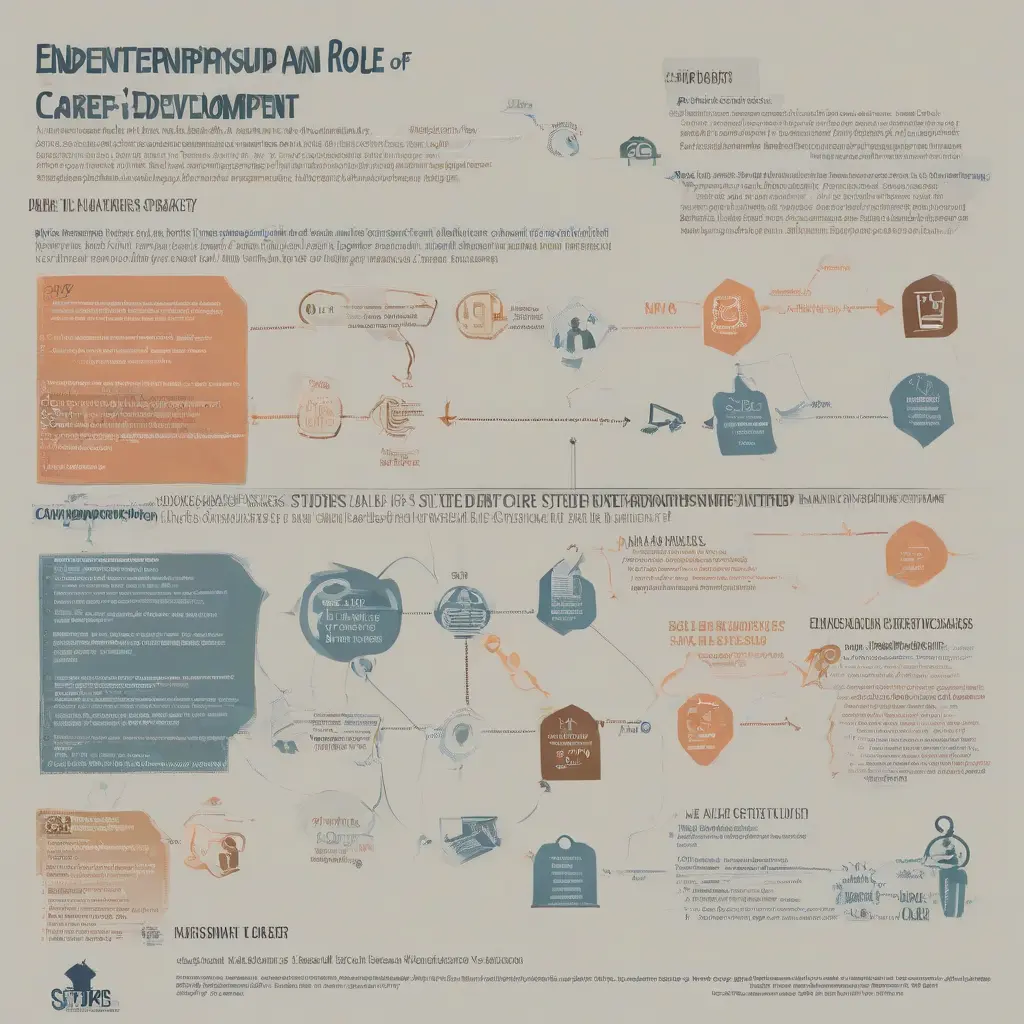
Navigating career transitions can be daunting, but creating a personal tact plan can significantly ease the process. This plan serves as a roadmap, guiding you through the uncertainties that often accompany job changes. It helps you clarify your goals, assess your skills, and identify potential challenges while providing strategies to address them. Whether you are switching industries or aiming for a promotion, having a solid tact plan can help you approach any transition with confidence and clarity, ensuring that your professional growth remains on track.
Understanding Career Transitions
Career transitions refer to significant changes in your professional life, whether that means switching jobs, industries, or advancing in your current path. Recognizing the nature of these transitions is critical; they can stem from personal decisions, external market conditions, or changes in personal circumstances. Understanding this context can help you prepare effectively, allowing you to structure your tact plan based on your specific situation. By accurately assessing your motivations and expectations, you can set realistic goals that align with your career aspirations.
The Importance of Self-Assessment
Self-assessment is a vital first step in creating your tact plan. It involves evaluating your existing skills, experiences, and values to better understand what you bring to the table. Additionally, acknowledging your strengths and weaknesses can guide you in identifying areas for improvement. Tools such as personality tests, skill assessments, and reflection exercises can help illuminate your professional preferences and competencies. This foundational knowledge enables you to align your goals with your capabilities, increasing your chances of a successful transition.
Setting Clear Career Goals
Once you have a solid understanding of your skills and aspirations, it’s essential to set clear and actionable career goals. SMART goals—specific, measurable, achievable, relevant, and time-bound—offer a structured way to outline your objectives. For example, instead of stating a vague goal to ‘get a new job,’ you could define your objective as ‘applying to five positions in my target industry within the next month.’ Clear goals provide focus and motivation, making it easier to track your progress and adjust your tactics as necessary.
Researching New Opportunities
Thorough research is crucial for identifying potential career opportunities. This involves exploring industries, companies, and roles that align with your career goals and skills. Utilize professional networks, job boards, and social media platforms like LinkedIn to gather information about the latest trends and opportunities. Networking can also uncover hidden job openings and provide insights into various companies’ cultures and requirements. A well-researched perspective will not only help you identify suitable roles but also prepare you for any upcoming interviews or interactions.
Building a Strong Professional Network
A robust professional network can be a game-changer during career transitions. Building relationships within your industry can lead to new opportunities, valuable advice, and potential mentors. Engage with colleagues, join industry-specific groups, and attend networking events to expand your contacts. Online platforms like LinkedIn also offer tools for connecting with professionals who share similar interests or goals. A solid network can provide support, guidance, and referrals, making your transition smoother and more successful.
Updating Your Resume and Online Presence
As you navigate your career transition, updating your resume and enhancing your online presence is essential. Tailoring your resume to highlight relevant skills and experiences can significantly affect your job applications. Ensure your LinkedIn profile reflects your career goals and showcases your achievements. Consistently posting articles or engaging with relevant content can also establish you as a knowledgeable professional in your field. A strong online presence enhances your visibility to recruiters and helps you stand out amongst the competition.
Preparing for Interviews
Interview preparation is a critical aspect of a successful career transition. Conduct mock interviews to practice answering commonly asked questions while honing your presentation skills. Research the companies you’re applying to thoroughly, enabling you to tailor your responses and ask insightful questions. Prepare specific examples that demonstrate your skills and accomplishments, highlighting how they align with the potential employer’s needs. Confidence and preparedness can greatly increase your chances of leaving a positive impression during interviews.
Managing Stress During Transitions
Career transitions can be stressful, making effective stress management vital. Implement techniques such as mindfulness, exercise, and time management to maintain your well-being during this period of change. Regular breaks and self-care routines can help you recharge and maintain your focus. Establishing a support system of friends, family, and mentors can also provide emotional resilience. Addressing stress proactively ensures you can approach your career transition with a clear mind and a positive attitude.
Continuing Skill Development
As industries evolve, so do the skills required for success. Continuous skill development is key to staying relevant in the competitive job market. Consider taking online courses, attending workshops, or obtaining certifications in your field. These learning opportunities can enhance your qualifications and demonstrate your commitment to personal and professional growth. Engaging in regular skill development also prepares you for future career transitions, making you a more attractive candidate to potential employers.
Evaluating Your Transition Progress
Regularly evaluating your progress is essential for adapting your tactics and ensuring alignment with your goals. Create a timeline or checklist to assess which actions you’ve taken towards your career transition. Consider what has worked, what hasn’t, and why. This reflective practice enables you to modify your approach and stay focused on your objectives. Keeping track of your achievements, no matter how small, can also boost your motivation and reinforce your commitment to the transition process.
Conclusion
Creating a personal tact plan for career transitions is an empowering process that equips you with the tools and strategies necessary for success. By engaging in self-assessment, setting clear goals, building networks, and focusing on skill development, you can navigate professional changes with confidence. Remember that transitions may take time, and staying adaptable will serve you well as you embark on your career journey. With a well-structured plan in place, you position yourself for meaningful and rewarding outcomes.