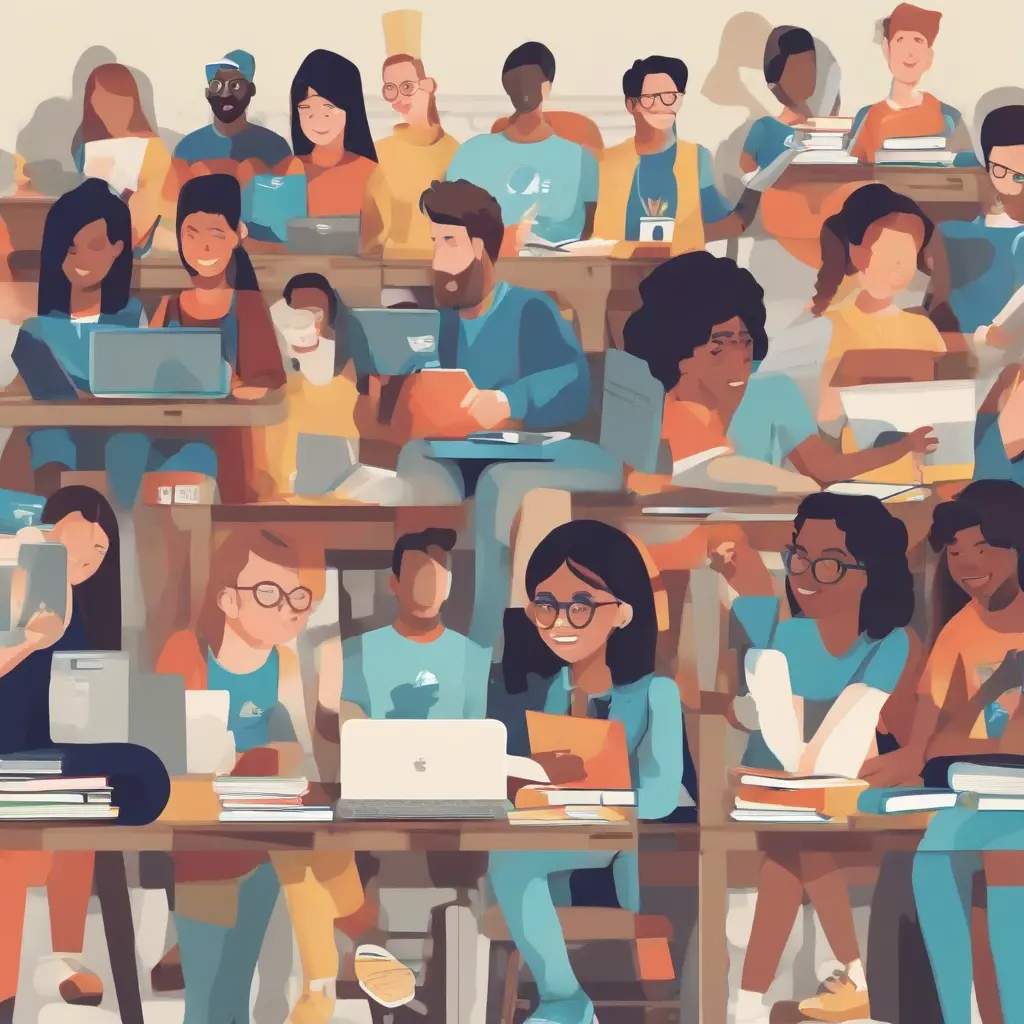
In today’s fast-paced job market, possessing technical skills alone is often insufficient for long-term success. As industries evolve, the demand for professionals who can effectively communicate, collaborate, and adapt has grown exponentially. Integrating soft skills into your technical skill-based career is crucial for not only enhancing personal growth but also for fostering teamwork and innovation. Mastering these interpersonal skills can significantly impact job performance and career advancement, enabling professionals to stand out in various sectors.
Understanding Soft Skills
Soft skills, often referred to as interpersonal or people skills, encompass a range of abilities that facilitate effective communication, emotional intelligence, and collaboration. Unlike technical skills, which are easily measurable and trainable, soft skills involve innate attributes or learned behaviors that enhance workplace interactions. Common examples include communication, teamwork, problem-solving, and adaptability. By cultivating these skills, individuals can navigate complexities in the workplace, build strong relationships, and contribute positively to team dynamics, which are essential for success in any technical career.
The Importance of Soft Skills in Technical Careers
In technical careers such as IT, engineering, and data science, soft skills play a pivotal role in bridging the gap between technical expertise and successful project delivery. Professionals who can communicate complex concepts clearly are more effective in collaborative environments and can engage non-technical stakeholders. Furthermore, soft skills enable employees to manage conflicts constructively, fostering a more harmonious work environment. As companies increasingly prioritize teamwork and adaptability, the integration of soft skills becomes vital for professionals aiming to excel and stay relevant in their fields.
Identifying Necessary Soft Skills
To effectively integrate soft skills into your technical career, it’s important to identify which skills are most relevant to your field. Skills such as effective communication, teamwork, and leadership are universally beneficial, while others may be more specific based on your profession. For instance, a software developer may benefit from problem-solving and analytical thinking, while a project manager may need strong negotiation and conflict resolution skills. Conducting a self-assessment can help you pinpoint the soft skills you need to develop further, ensuring you’re well-rounded in both technical and interpersonal areas.
Methods to Develop Soft Skills
Developing soft skills requires a proactive approach, often involving practice and feedback. Engaging in activities like group projects, workshops, or team-building exercises can offer real-time experiences to refine these skills. Additionally, seeking mentorship from seasoned professionals can provide invaluable insights and constructive criticism on interpersonal interactions. Online courses focusing on communication, leadership, or emotional intelligence can also aid in enhancing these skills. Regular self-reflection and goal-setting are methods that can keep your development on track, enabling consistent improvement.
Leveraging Soft Skills in Job Applications
When applying for technical roles, effectively showcasing your soft skills can set you apart from other candidates. Incorporating examples of how you’ve used these skills in previous roles within your resume and cover letter demonstrates their importance in your professional journey. During interviews, narrating specific instances where your soft skills contributed to a successful project or resolution of a conflict can further impress potential employers. It’s crucial to align your soft skills with the values and requirements of the job, making a compelling case for how you can benefit their organization.
The Role of Emotional Intelligence
Emotional intelligence (EQ) is a key component of soft skills, particularly in the context of technical careers. High EQ allows individuals to effectively manage their emotions and understand the feelings of others, facilitating better communication and collaboration. Professionals with strong emotional intelligence are adept at navigating stress, resolving conflicts, and fostering a positive work environment. In technical roles, where high-pressure situations may arise, having the ability to remain calm and empathize with team members can lead to more effective problem-solving and innovative solutions.
Creating a Culture of Soft Skills in the Workplace
Organizations can significantly benefit from fostering a culture that prioritizes soft skill development. By providing training programs focused on communication, teamwork, and leadership, companies can enhance employee performance and cultivate a collaborative environment. Encouraging open feedback and peer-to-peer learning initiatives fosters an atmosphere where soft skills can thrive. Additionally, recognizing and rewarding employees who demonstrate strong interpersonal skills can promote these behaviors across teams, ultimately leading to a more effective workplace that values both technical and soft skill competencies.
Measuring the Impact of Soft Skills
Measuring the impact of integrating soft skills into your career can be challenging, yet it’s essential for understanding growth and improvement. Employee reviews, feedback from peers, and self-assessments can provide insight into how soft skills are influencing performance. Tracking metrics such as teamwork efficiency, project outcomes, and stakeholder satisfaction can also reflect the positive effects of enhanced soft skills. By evaluating these aspects regularly, individuals can adjust their developmental strategies and continually refine their skills for better future performance in their careers.
Conclusion
Integrating soft skills into your technical skill-based career is not just an option but a necessity for achieving long-term success. As the job market increasingly values collaboration and communication alongside technical expertise, professionals must prioritize the development of these vital skills. By actively refining and showcasing soft skills, individuals can enhance their effectiveness, foster better workplace relationships, and ultimately position themselves for greater career advancement.