In the rapidly evolving landscape of skill-based careers, continued learning has emerged as a fundamental pillar for success. As industries adapt to new technologies and methods, professionals must engage in lifelong learning to maintain their competitive edge. This proactive approach not only enhances individual skills but also contributes to overall job satisfaction and career advancement. Understanding the importance of continual education can empower professionals to navigate their careers effectively, fostering both personal growth and professional development.
The Evolving Job Market
The job market is continuously changing, driven largely by advancements in technology, shifting consumer demands, and global economic trends. This evolution necessitates that professionals in skill-based careers stay current with the latest industry practices. Those who neglect to update their skills risk becoming obsolete, while those who embrace continuous learning will find new opportunities and a greater potential for career advancement. Understanding these market dynamics is crucial for navigating the challenges and seizing the opportunities that come with rapid change.
Benefits of Continued Learning
Continued learning yields numerous benefits for professionals, including increased employability, enhanced skills, and improved self-confidence. Engaging in ongoing education can help individuals stay relevant in their fields, making them more attractive candidates for promotions and new job opportunities. Furthermore, the acquisition of new skills fosters a growth mindset, encouraging professionals to embrace challenges and develop resilience in the face of obstacles. This combination of advantages can significantly impact both personal and professional success.
Methods for Continued Learning
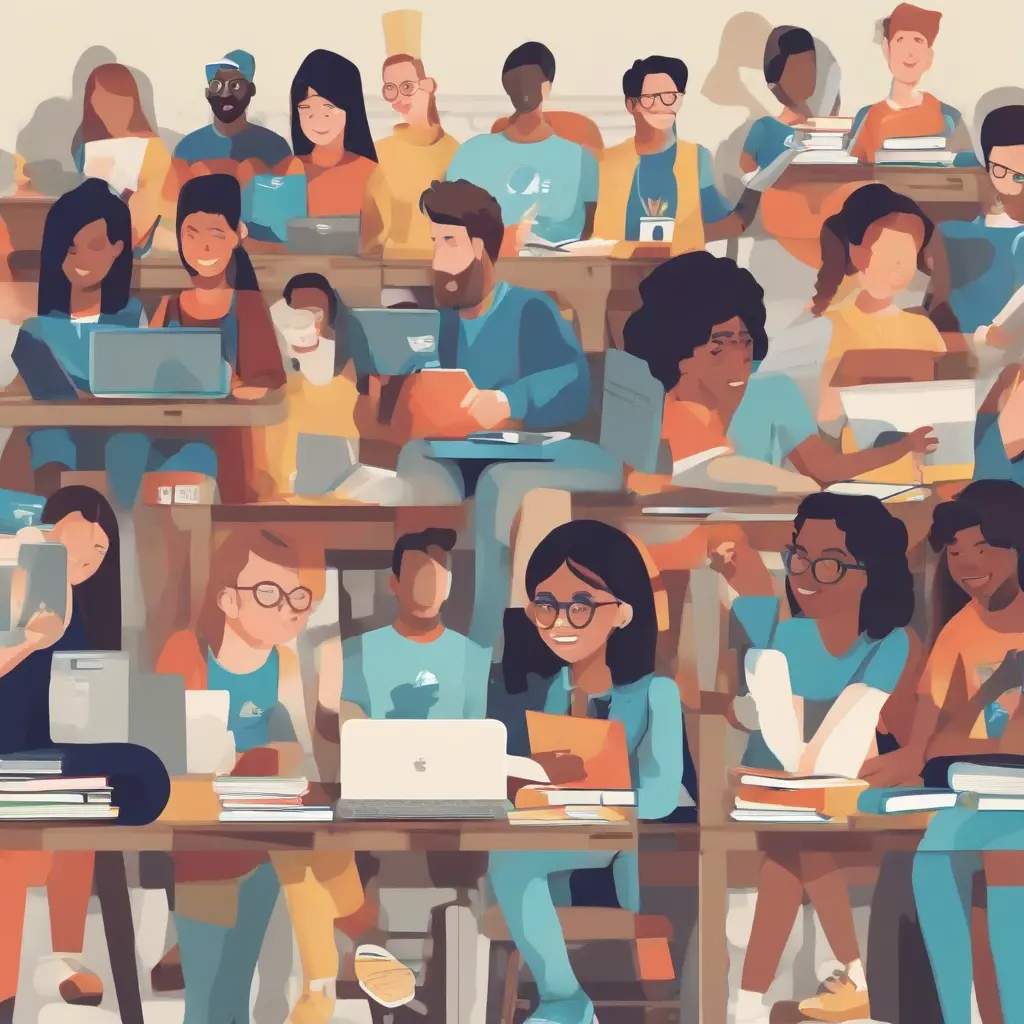
There are several effective methods for continued learning, including online courses, workshops, seminars, and industry conferences. Online platforms have emerged as popular options, offering flexibility and accessibility for busy professionals. Workshops and seminars provide hands-on experience, fostering collaboration and networking opportunities. Attending industry conferences not only allows professionals to learn from experts but also to connect with peers who share similar interests and challenges. By exploring various avenues for education, individuals can identify the methods that best suit their learning styles and career goals.
The Role of Certifications
Professional certifications play a vital role in skill-based careers by validating an individual’s expertise and commitment to continued learning. These credentials, often recognized by employers, can significantly enhance a resume, setting candidates apart in competitive job markets. Certifications ensure that professionals are knowledgeable about the most recent developments in their fields, reflecting a dedication to maintaining high standards of practice. This not only benefits the individuals but also raises the overall quality of services and products in their respective industries.
Networking and Community Learning
Building a network is a powerful way to foster continued learning in skill-based careers. Engaging with peers, mentors, and industry professionals opens doors to shared resources, knowledge, and experiences that can enhance individual growth. Many communities and organizations offer platform opportunities for members to collaborate on skill development projects, share insights, and attend learning events. By actively participating in community learning, professionals can stay informed about trends and innovations, which is crucial for maintaining relevance in their careers.
Overcoming Barriers to Continued Learning
Despite the clear benefits of continued learning, many professionals face barriers such as time constraints, financial limitations, and lack of access to resources. To overcome these challenges, individuals must prioritize their education by setting specific learning goals and breaking them down into manageable steps. Seeking out free or low-cost resources online can also alleviate financial concerns. Additionally, employers can support their employees’ professional growth by providing access to relevant training programs and flexible schedules that allow for learning.
Measuring the Impact of Learning
Assessing the impact of continued learning is essential for understanding its effectiveness in skill-based careers. Professionals can measure their growth through various metrics, such as improved job performance, increased responsibilities, or even higher salary offers. Self-reflection is key, allowing individuals to evaluate how new skills have influenced their capabilities and career trajectory. Employers can benefit as well by tracking performance improvements and overall team development, which can ultimately lead to better organizational outcomes.
Future Trends in Continued Learning
Looking ahead, continued learning will increasingly incorporate technology such as artificial intelligence and virtual reality into educational platforms. These innovations promise more interactive and personalized learning experiences, making it easier for professionals to grasp complex concepts and skills. Furthermore, the rise of micro-credentials and bite-sized learning will offer flexible options tailored to busy schedules. As industries evolve, staying ahead of these trends will be integral for professionals aiming to maintain their competitive edge in the job market.
Conclusion
In summary, continued learning is essential for anyone involved in skill-based careers, providing a pathway to personal growth and professional success. As the job market evolves, embracing lifelong education becomes not just an option but a necessity. By leveraging various learning methods, pursuing certifications, and actively engaging with professional networks, individuals can navigate their careers more effectively and position themselves for future opportunities. Ultimately, prioritizing continued learning is an investment in one’s future, ensuring relevance and success in an ever-changing landscape.