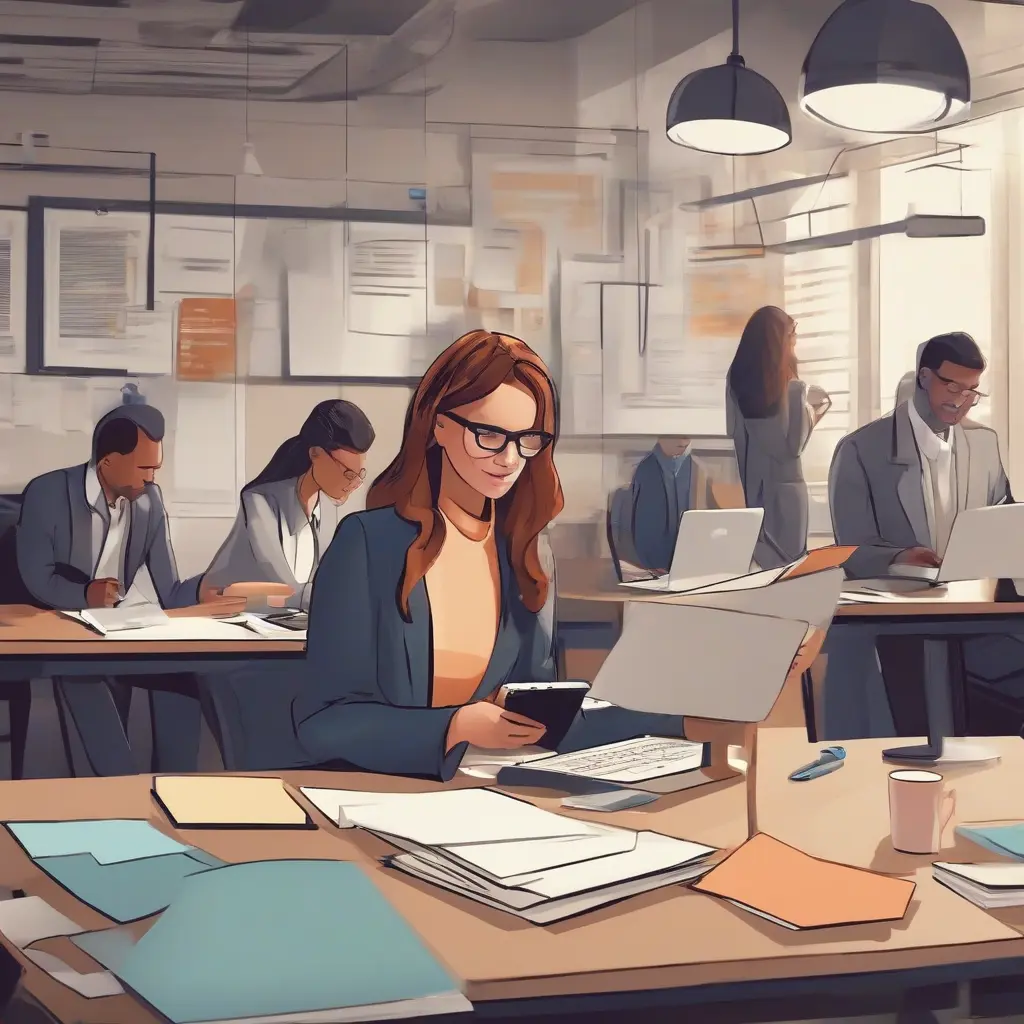
In today’s competitive job market, soft skills have become a vital component for student career success. While technical skills and academic knowledge are important, employers increasingly seek candidates who possess strong interpersonal skills, emotional intelligence, and adaptability. These soft skills complement hard skills and enhance a student’s ability to communicate, collaborate, and problem-solve effectively in diverse work environments. Understanding the importance of soft skills is essential for students to prepare themselves not only for immediate career prospects but also for long-term professional growth.
Defining Soft Skills
Soft skills are defined as the personal attributes and interpersonal skills that govern how individuals interact with others. Unlike hard skills, which refer to specific technical abilities, soft skills encompass qualities such as communication, teamwork, adaptability, and problem-solving. In essence, soft skills are the ‘people skills’ that enable students to succeed in collaborative environments, making them indispensable in today’s workplaces where teamwork and communication are key.
The Role of Communication Skills
Effective communication is one of the most essential soft skills for students entering the job market. The ability to clearly articulate ideas, listen actively, and give and receive constructive feedback fosters a positive workplace environment. Strong communication skills enhance both verbal and non-verbal interactions, enabling students to convey messages accurately and professionally. This is particularly important in interviews and group projects, where clarity and cooperation are critical for achieving goals.
Importance of Teamwork
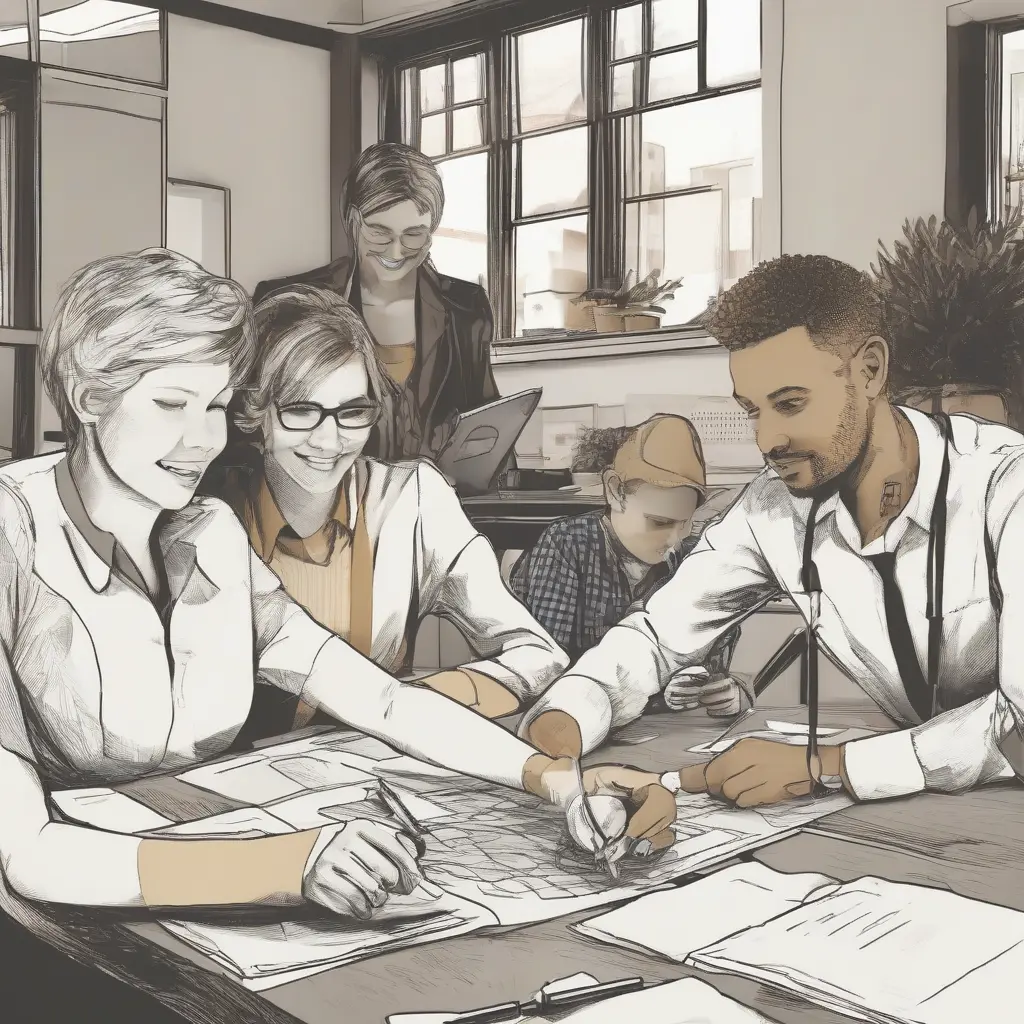
Teamwork involves the ability to collaborate effectively with others, navigate diverse perspectives, and work towards common objectives. In most professional settings, projects require input from multiple team members, making the ability to function well in a team crucial. Students with strong teamwork skills tend to cultivate a sense of community, foster innovation, and achieve better results through collaborative efforts. Employers value candidates who can easily integrate into teams and contribute to collective success.
Adaptability in a Changing Environment
Adaptability refers to the ability to adjust to new conditions and learn from experiences. In a fast-paced world where technology and market dynamics are constantly changing, students must exhibit flexibility to thrive. Being adaptable enables students to face challenges with a positive attitude, embrace change, and effectively navigate unforeseen situations. This quality is particularly sought after by employers, as it reflects a candidate’s potential to grow and evolve within a role.
Problem-Solving Skills
Problem-solving skills are essential for tackling challenges that arise in any professional setting. This involves critical thinking, analyzing situations, and identifying innovative solutions. Students who cultivate strong problem-solving abilities can approach issues methodically, assess various outcomes, and implement effective solutions. Employers appreciate candidates who can independently tackle obstacles and make informed decisions, which enhances overall productivity within teams.
The Value of Emotional Intelligence
Emotional intelligence (EI) involves understanding and managing one’s own emotions while being aware of the emotions of others. High EI enables students to build stronger relationships, manage stress effectively, and communicate empathetically. In the workplace, this skill allows individuals to empathize with colleagues and clients, leading to improved collaboration and conflict resolution. Employers highly regard emotional intelligence as it fosters a positive workplace culture and enhances team dynamics.
Enhancing Soft Skills Through Education
Educational institutions play a significant role in developing students’ soft skills. Many schools and colleges now incorporate workshops, group projects, and extracurricular activities aimed at enhancing communication, teamwork, and leadership capabilities. By participating in such programs, students gain practical experience and build confidence in their soft skills. This not only prepares them for future employment but also contributes to personal development and the ability to navigate diverse social situations.
Using Internships to Develop Soft Skills
Internships provide students with invaluable opportunities to develop soft skills in real-world environments. Engaging in internships allows students to interact with professionals, learn the nuances of workplace communication, and experience team dynamics firsthand. This practical exposure helps them hone their adaptability and problem-solving abilities. The feedback received during internships is also essential for personal growth, enabling students to refine their skills and prepare for future career challenges.
The Role of Networking
Networking is a critical component of building soft skills and career success. By engaging with professionals through events, workshops, and online platforms, students can practice communication, collaboration, and relationship-building. Networking enhances social skills and helps students gain insights into different industries and career paths. Furthermore, establishing connections can lead to mentorship opportunities, job referrals, and valuable advice, ultimately increasing the chances of career advancement.
Soft Skills and Employability
A strong foundation of soft skills significantly boosts a student’s employability. Employers often prioritize candidates with robust soft skills over those with merely technical skills, especially in positions requiring teamwork, leadership, and customer interaction. Students equipped with these essential attributes are more likely to adapt to workplace environments, maintain positive relationships with coworkers, and contribute to organizational success. As a result, investing time in developing soft skills can elevate one’s career prospects considerably.
Conclusion
In summary, soft skills are crucial for student career success in today’s job market. Understanding and cultivating these skills is essential for effective communication, teamwork, and adaptability. As students engage in educational and practical experiences, they should prioritize soft skill development to enhance their employability and prepare for long-term career growth. Building a well-rounded skill set that includes both technical and soft skills will provide a significant advantage in achieving professional aspirations.