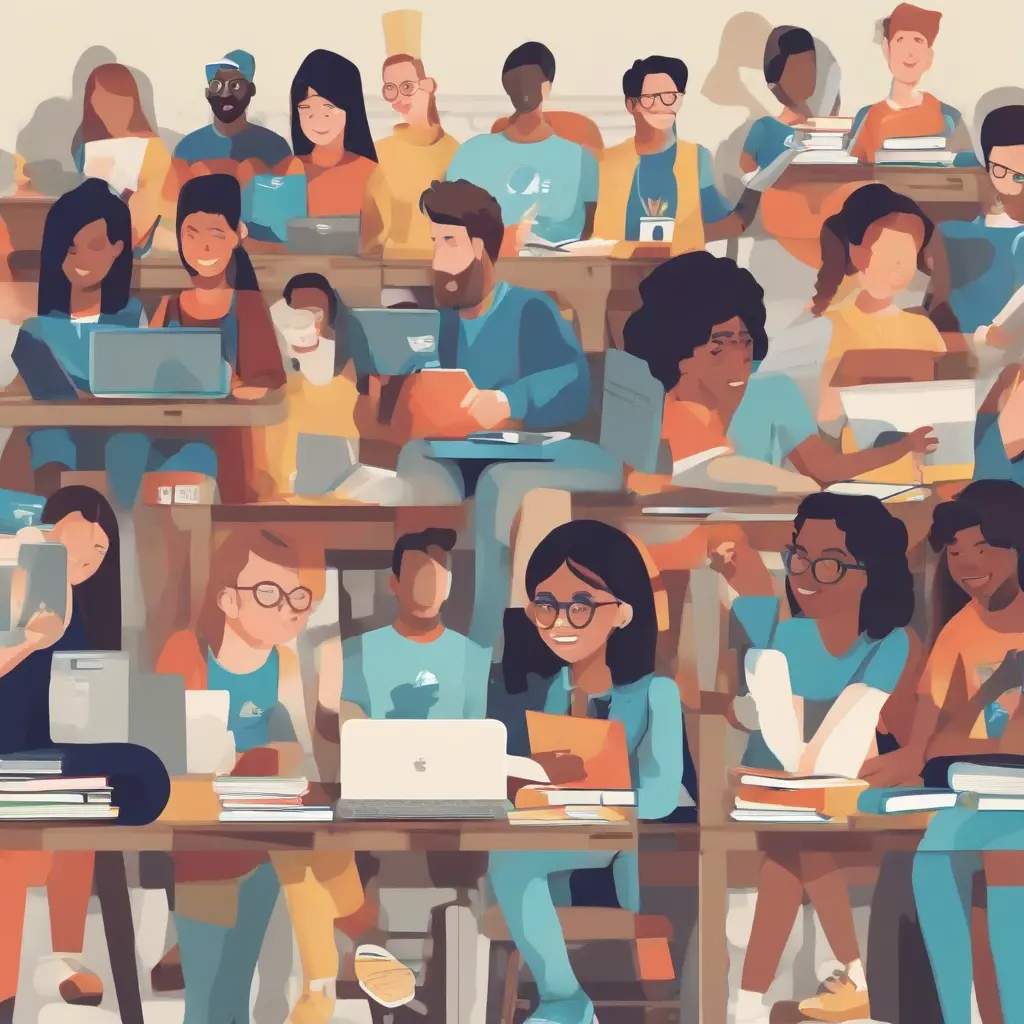
In today’s rapidly changing job market, skill-based careers are gaining significant traction. While technical skills are critical in these fields, soft skills have emerged as indispensable assets that complement hard skills. Soft skills, such as communication, teamwork, and adaptability, significantly impact an individual’s success in their job roles. With the increasing emphasis on collaboration and interpersonal relations in workplaces, understanding the importance of soft skills has never been more vital for both professionals and employers alike. This article delves into the critical nature of soft skills in skill-based careers and highlights how they contribute to overall job performance.
Understanding Soft Skills
Soft skills encompass a range of interpersonal abilities essential for effective communication and collaboration in the workplace. Unlike technical skills, which are specific and job-related, soft skills are transferable and adaptable across various fields. They include empathy, problem-solving, emotional intelligence, and leadership abilities. Recognizing the significance of these skills is crucial, as they facilitate better relationships among coworkers, improve workplace culture, and positively influence productivity. In skill-based careers, professionals often interact with diverse teams, making the ability to connect and collaborate with others critical for achieving common goals.
The Role of Communication Skills
Effective communication is at the heart of soft skills and is particularly important in skill-based careers. Whether working in engineering, healthcare, or construction, the ability to convey ideas, listen actively, and provide feedback can significantly influence project outcomes. Clear communication helps prevent misunderstandings, fosters collaboration, and enhances team dynamics. Employers value employees who can articulate their thoughts clearly and concisely, as this can streamline workflows and improve efficiency. Prioritizing the development of communication skills can lead to greater workplace harmony and more successful project completions.
Teamwork and Collaboration
In many skill-based careers, teamwork is not just encouraged; it’s essential for success. Collaboration allows individuals to combine their expertise, tackle challenges more effectively, and achieve shared goals. Understanding one’s role within a team, respecting different perspectives, and contributing positively to group settings are vital soft skills. They enhance the collective performance of a team, often leading to innovative solutions and successful project outcomes. Employers increasingly seek candidates who can thrive in collaborative environments and effectively navigate the dynamics of teamwork, making these skills indispensable in today’s job landscape.
Adaptability in Ever-Changing Workplaces
Adaptability is a critical soft skill required in skill-based careers, especially as industries continuously evolve. The introduction of new technologies, shifts in market demands, and organizational changes necessitate a workforce that can pivot and respond effectively. Employees who are adaptable are often more resilient to challenges and can navigate transitions without significant disruption. This flexibility not only benefits the individual but also the organization, which gains an agile workforce capable of adjusting to various scenarios. Cultivating adaptability can enhance career longevity, as professionals remain relevant amid ongoing changes in their respective fields.
Emotional Intelligence and Workplace Relationships
Emotional intelligence (EI) refers to the ability to understand and manage one’s emotions, as well as the emotions of others. In skill-based careers, high emotional intelligence enhances workplace relationships and fosters a more positive work environment. Individuals with strong EI are better equipped to handle stress, resolve conflicts, and empathize with colleagues. These attributes contribute to a supportive workplace culture and improve overall job satisfaction. Employers often prioritize candidates with high emotional intelligence, recognizing that such individuals can enhance team cohesion and maintain morale during challenging times.
Problem-Solving and Critical Thinking
Problem-solving and critical thinking are essential soft skills that empower professionals to address complex challenges effectively. In technical fields, individuals often encounter novel issues that require innovative solutions. The ability to think critically enables employees to evaluate situations, analyze information logically, and devise actionable strategies for resolution. A workforce proficient in problem-solving not only drives projects forward but also fosters a culture of creativity and innovation within organizations. Thus, focusing on developing these skills can yield significant benefits for both individuals and their employers.
Leadership Skills in Skill-Based Careers
While technical skills are vital, leadership skills are increasingly recognized as essential in skill-based careers. Effective leaders inspire their teams, guide them through challenges, and create an environment conducive to growth. Leadership encompasses various soft skills, including communication, empathy, and decision-making. In roles that require mentoring or managing others, possessing strong leadership skills can significantly influence team performance. Organizations benefit from leaders who can motivate their teams, foster talent development, and make strategic decisions that align with broader business goals.
The Competitive Edge of Soft Skills
In a competitive job market,soft skills provide candidates with a distinct advantage. Employers are increasingly looking beyond technical qualifications to holistic attributes that define an individual’s potential. Professionals possessing strong soft skills are often seen as more adaptable, approachable, and capable of thriving in interdependent work environments. These traits can set candidates apart during hiring processes and promote career advancement opportunities. Enabling employees to develop and demonstrate their soft skills can lead to improved organizational performance and a more engaged workforce.
Training and Development of Soft Skills
Organizations play a crucial role in fostering the development of soft skills through training programs and professional development initiatives. Workshops, team-building activities, and mentorship programs can provide employees with opportunities to enhance their interpersonal abilities. Investing in soft skill training not only equips individuals with valuable competencies but also contributes to a positive workplace culture. By emphasizing soft skills, companies can build more cohesive teams and improve overall productivity. Continuous learning in this area ensures that professionals remain effective in their roles and prepared for future challenges.
Conclusion
Soft skills are an essential component of success in skill-based careers, complementing technical expertise and enhancing overall job performance. As workplaces evolve, the ability to communicate, collaborate, and adapt becomes increasingly vital. Employers seek individuals who possess strong soft skills, recognizing their impact on team dynamics and organizational success. By prioritizing the development of these skills, both professionals and companies can thrive in the competitive landscape of today’s job market.